
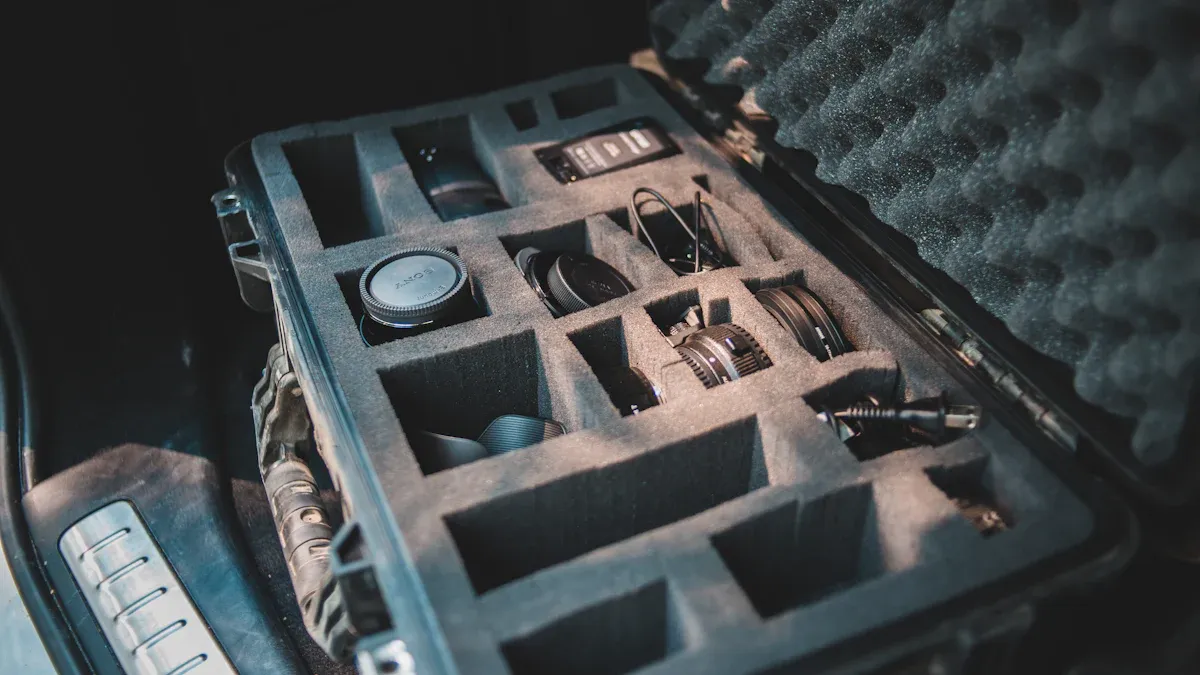
Protective boxes play a crucial role for professionals in various fields. They safeguard sensitive equipment against damage from impacts, moisture, and dust. Selecting the right protective box requires careful consideration of several factors. Key criteria include durability, waterproofing, and overall value. Many industries, such as oil and gas, chemical and pharmaceutical, and mining, depend on protective boxes to ensure equipment safety. For instance, the oil and gas industry uses flameproof equipment to protect against fire hazards. Choosing a high-quality protective box, like the Meijia waterproof case, can significantly enhance equipment longevity and reliability. Additionally, Meijia cases are designed to meet the rigorous demands of various environments, making the Meijia case an excellent choice for those seeking dependable protection for their gear.
Key Takeaways
- Protective boxes are essential for safeguarding equipment from damage, moisture, and dust.
- Durability is key; look for boxes made from strong materials that can withstand tough conditions.
- Waterproofing ratings, like IPx7, ensure your box can handle wet environments without damage.
- Dust resistance ratings help keep your equipment functional in dusty work areas.
- Choose a size that fits your equipment and is portable for easy transport between job sites.
- Ease of use features, like built-in organization, make accessing your gear quick and efficient.
- Consider the price and value; select a box that offers the best protection for your budget.
- Top-rated options include the Pelican 1510 Case and SKB iSeries, known for their durability and protection.
Key Considerations for Selecting a Protective Box
Durability
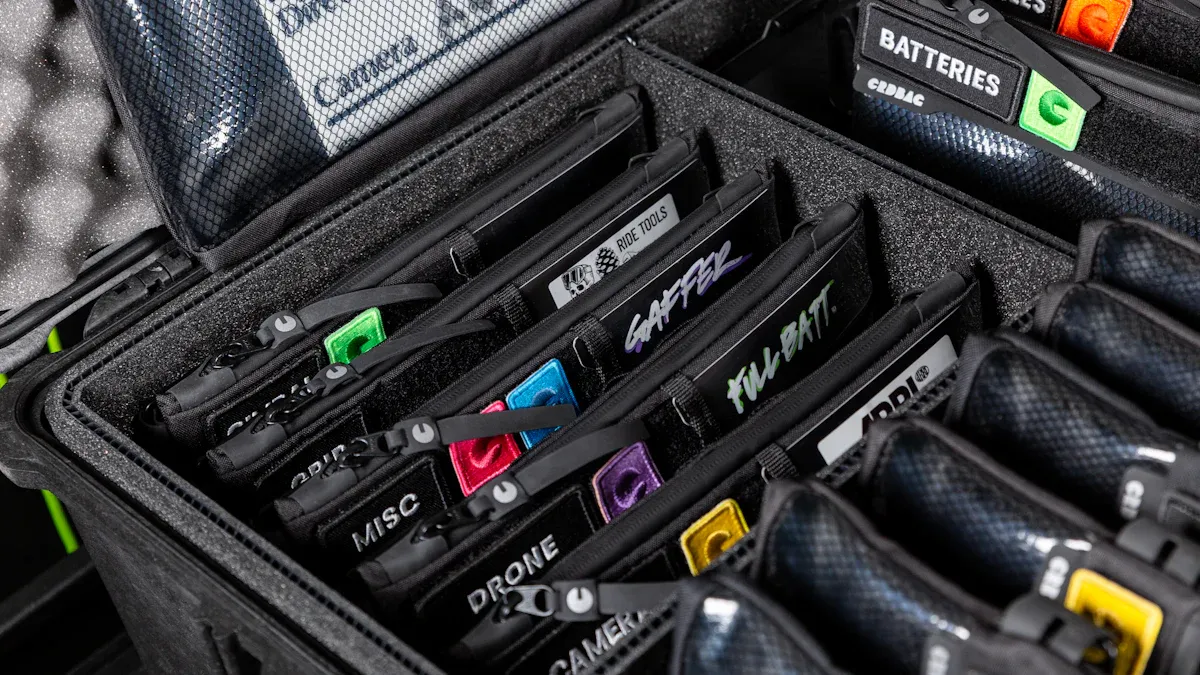
Durability stands as a primary factor when selecting a protective box. Professionals need assurance that their equipment will remain safe under various conditions. Manufacturers often utilize robust materials such as thick cardboard or chipboard to construct rigid boxes. These materials maintain their shape and provide excellent protection for premium items. The strong structure minimizes the risk of damage, enhancing the visual appeal of products. This quality makes rigid boxes ideal for both retail and online sales.
To evaluate durability, manufacturers employ the Ingress Protection (IP) rating system. This system classifies the level of protection against solid objects and liquids. For instance, an IP rating of 5 indicates that some dust may enter but not enough to affect operation, while a rating of 6 signifies complete dust-tightness. Testing involves exposing the protective box to various conditions, such as dust in a chamber for solid protection and water sprays or submersion for liquid protection.
Waterproofing
Waterproofing is essential for professionals who work in environments where moisture exposure is likely. A protective box must withstand water to ensure the safety of its contents. Various waterproofing standards apply in professional settings, including the IP rating system. The table below outlines common waterproofing ratings:
| Rating | Description |
|---|---|
| IPx4 | Water resistant to splashes. |
| IPx5 | Resistant to water spray from any angle. |
| IPx6 | Can withstand powerful water jets. |
| IPx7 | Immersion in water up to 1 meter for 30 minutes. |
| IPx8 | Long-term immersion at specified depths. |
| NEMA 3 | Protection against rain and sleet for outdoor use. |
| NEMA 4 | Suitable for high-pressure washdowns. |
These ratings help professionals select a protective box that meets their specific needs. For example, an IPx7 rating ensures that the box can handle immersion, making it suitable for outdoor activities or wet environments.
Dust Resistance
Dust resistance is another critical consideration. Professionals often work in environments where dust and debris can compromise equipment. A protective box must prevent dust ingress to maintain functionality. The dust resistance of protective boxes is also rated using the IP system. The following table illustrates the levels of solid protection:
| First Digit | Solid Protection* | Second Digit | Liquid Protection* |
|---|---|---|---|
| 0 | Not Protected | 0 | Not Protected |
| 1 | Protected against solid objects greater than 50mm | 1 | Protected against vertically dripping water |
| 2 | Protected against solid objects greater than 12.5mm | 2 | Protected against dripping water when tilted |
| 3 | Protected against solid objects greater than 2.5mm | 3 | Protected against spraying water |
| 4 | Protected against solid objects greater than 1.0mm | 4 | Protected against splashing water |
| 5 | Dust cannot ingress in an amount sufficient to affect normal operation | 5 | Protected against jetting water |
| 6 | Dust tight; no dust ingress | 6 | Protected against powerful jetting water |
Selecting a protective box with a high dust resistance rating ensures that professionals can rely on their equipment, even in challenging environments.
Size and Portability
Size and portability are crucial factors when selecting a protective box, especially for professionals who frequently transport equipment. A compact form factor allows users to carry the box in a backpack or as a carry-on item. This feature is particularly beneficial for field professionals who need to move quickly between job sites.
The following table outlines key features that enhance portability:
| Feature | Description |
|---|---|
| Compact form factor | Small enough for carry-on or backpack |
| Rugged construction | Handles drops, moisture, and dust |
| Battery-compatible ports | Power internal devices on the go |
| RF-tight latches | Withstand vibration without losing seal |
| Optional shoulder strap | For quick movement |
| Internal visibility | Test without opening box |
These features ensure that professionals can easily transport their gear while maintaining protection against environmental hazards.
Ease of Use
Ease of use significantly impacts the effectiveness of a protective box. Professionals benefit from designs that facilitate quick access and organization. The following features contribute to user-friendliness:
- Built-in organization systems for smaller items, enhancing visibility and reducing search time.
- Portability, allowing easy transport of tools to various job sites.
- Durability, ensuring the box withstands tough working conditions.
- Versatility in design, accommodating multifunctional uses such as workstations or charging stations.
These elements streamline workflows, allowing professionals to focus on their tasks rather than struggling with cumbersome equipment.
Price and Value
Price and value are essential considerations when investing in a protective box. Professionals seek options that provide the best protection without breaking the bank. The following table compares several top-rated protective boxes based on price and features:
| Case Name | Price | Features |
|---|---|---|
| OtterBox Commuter Series | $45 | Super protective, bulkier design |
| ESR Classic Hybrid | $21 | Slim, affordable, good protection |
| OtterBox Defender Series | $65 | Best for overall protection |
| Peak Design Everyday | $50 | Accessory compatible |
| Onetop Wallet Case | $20 | Wallet functionality |
| TOCOL Back Bumper | $25 | Low profile design |
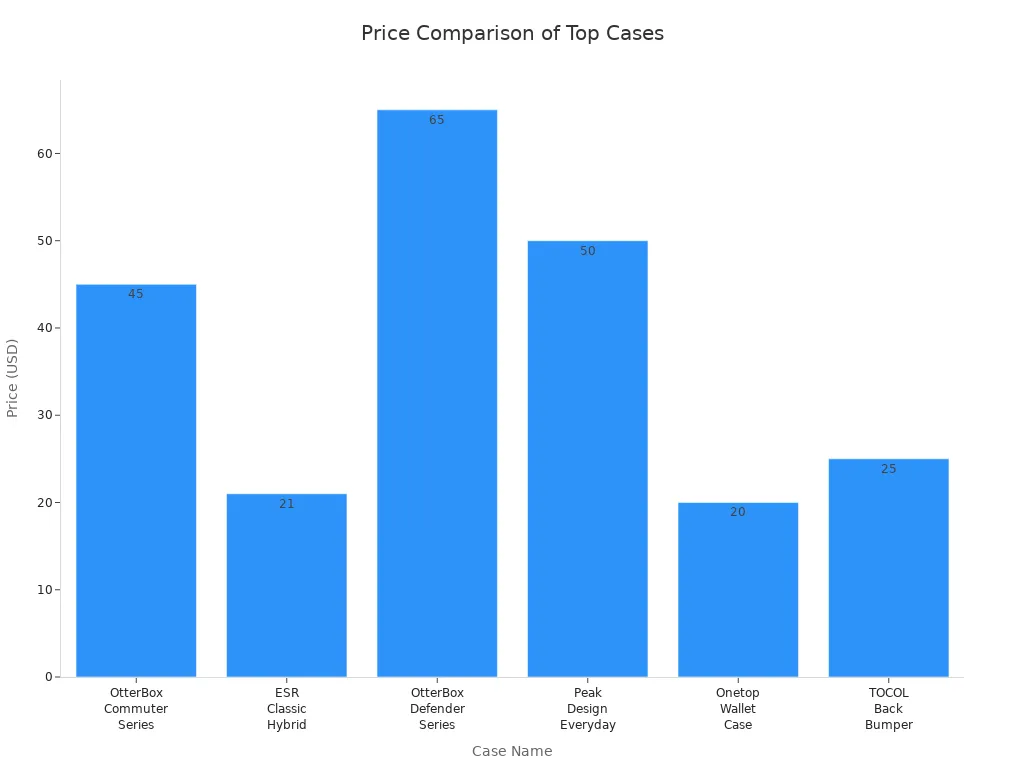
Investing in a protective box often reflects the balance between cost and the level of protection offered. Professionals should consider their specific needs and select a box that provides the best value for their investment.
Detailed Reviews of Top Protective Boxes
Pelican 1510 Case
Specifications
The Pelican 1510 Case stands out for its exceptional protection and durability. It features military-grade impact resistance and waterproofing that surpasses soft luggage options. Key specifications include:
| Feature | Description |
|---|---|
| Unmatched Protection | Military-grade impact resistance and waterproofing that soft luggage cannot match. |
| Flight Ready | Pressure equalization valves and TSA-approved locking points for air travel safety. |
| Customization | High-quality internal foam for tailored protection of contents. |
| Military-Grade Construction | Made from ultra-high-impact structural copolymers for shock absorption. |
| Impact Resistance | Open-cell core and solid-wall design protect contents from crushing forces. |
| Waterproof & Dustproof Sealing | Polymer O-ring seal prevents environmental damage to contents. |
| Pressure Equalization for Flights | Automatic purge valve balances interior and ambient pressure, keeping water out. |
| Locking & TSA Considerations | Reinforced stainless steel padlock protectors compatible with TSA-approved locks. |
| Air Travel & Carry-On Requirements | Adheres to TSA regulations for hard cases, ensuring compliance during air travel. |
Pros and Cons
Pros:
- Exceptional durability and protection.
- Customizable interior for various equipment.
- Compliant with TSA regulations for air travel.
Cons:
- Higher price point compared to basic protective boxes.
- Bulkier design may not suit all users.
SKB iSeries 3i-2015-7B-C
Specifications
The SKB iSeries 3i-2015-7B-C excels in durability and protection. It is molded from ultra high-strength polypropylene copolymer resin, ensuring a robust design. Notable features include:
- Waterproof and airtight, submersible design (IP67 and MIL-C-4150J).
- Resistant to UV, solvents, fungus, corrosion, and impact damage (MIL-STD-810H).
- Molded-in hinges and a patented ‘trigger release’ latch system.
- Comfortable, snap-down rubber over-molded cushion grip handle.
- Secure stacking and automatic ambient pressure equalization valve.
- Includes cubed multi-layer foam filled body and convoluted foam filled lid.
Pros and Cons
Pros:
- Excellent waterproof and dustproof capabilities.
- Lightweight yet durable construction.
- Versatile foam interior for customized storage.
Cons:
- May be overbuilt for users with lighter needs.
- Limited color options available.
Nanuk 935 Case
Specifications
The Nanuk 935 Case is engineered for professionals who require reliable protection for their gear. It features a well-made design that ensures durability during use. Key specifications include:
- Quiet and smooth-rolling wheels for easy transport.
- Lid organizer for enhanced organization of smaller items.
- Sized to function as a carry-on for commercial airlines.
- Lockable features with metal inserts in the locking holes for added security.
Pros and Cons
Pros:
- Excellent organizational capabilities with a lid organizer.
- Convenient size for frequent travelers.
- Strong locking mechanisms for security.
Cons:
- Slightly heavier than some competitors.
- Higher price range may deter budget-conscious buyers.
Seahorse SE-300 Case
Specifications
The Seahorse SE-300 Case offers robust protection for professionals who require reliable gear storage. This case is rigorously tested to ensure it meets high standards for durability and safety. Key specifications include:
| Feature | Description |
|---|---|
| Waterproof Rating | IP67 rating ensures complete waterproofing, allowing for immersion in water without damage. |
| Dust Resistance | Designed to be dustproof, preventing any ingress that could harm sensitive equipment. |
| Impact Resistance | Constructed to withstand impacts, ensuring contents remain secure during transport. |
| Floating Capability | The case floats with contents weighing under 9 lbs, making retrieval easy if dropped in water. |
The Seahorse SE-300 Case excels in both waterproofing and dust resistance. It provides peace of mind for professionals working in harsh environments.
Pros and Cons
Pros:
- Exceptional waterproof and dustproof capabilities.
- Impact-resistant design for added protection.
- Lightweight and easy to carry.
Cons:
- Limited internal organization options compared to some competitors.
- May be bulkier for users needing a more compact solution.
Thule Subterra Carry-On
Specifications
The Thule Subterra Carry-On is designed with the modern professional in mind. It combines functionality with style, making it an excellent choice for business travel. This carry-on features multiple carrying options, including a top handle, side handle, and adjustable backpack straps. These options enhance its versatility for professionals on the go. Key specifications include:
| Feature | Description |
|---|---|
| Organizational Compartments | Multiple compartments help keep items neatly arranged and easily accessible. |
| Durable Build | Constructed from high-quality materials to withstand the rigors of travel. |
| Size Compatibility | Meets carry-on size requirements for most airlines, ensuring hassle-free travel. |
The Thule Subterra Carry-On is ideal for professionals who need to stay organized while traveling. Its durable build ensures it can handle the demands of frequent use.
Pros and Cons
Pros:
- Versatile carrying options for convenience.
- Excellent organizational features for efficient packing.
- Sturdy construction for long-lasting use.
Cons:
- Higher price point compared to basic luggage options.
- Limited color choices may not appeal to all users.
Comparison of Protective Box Features
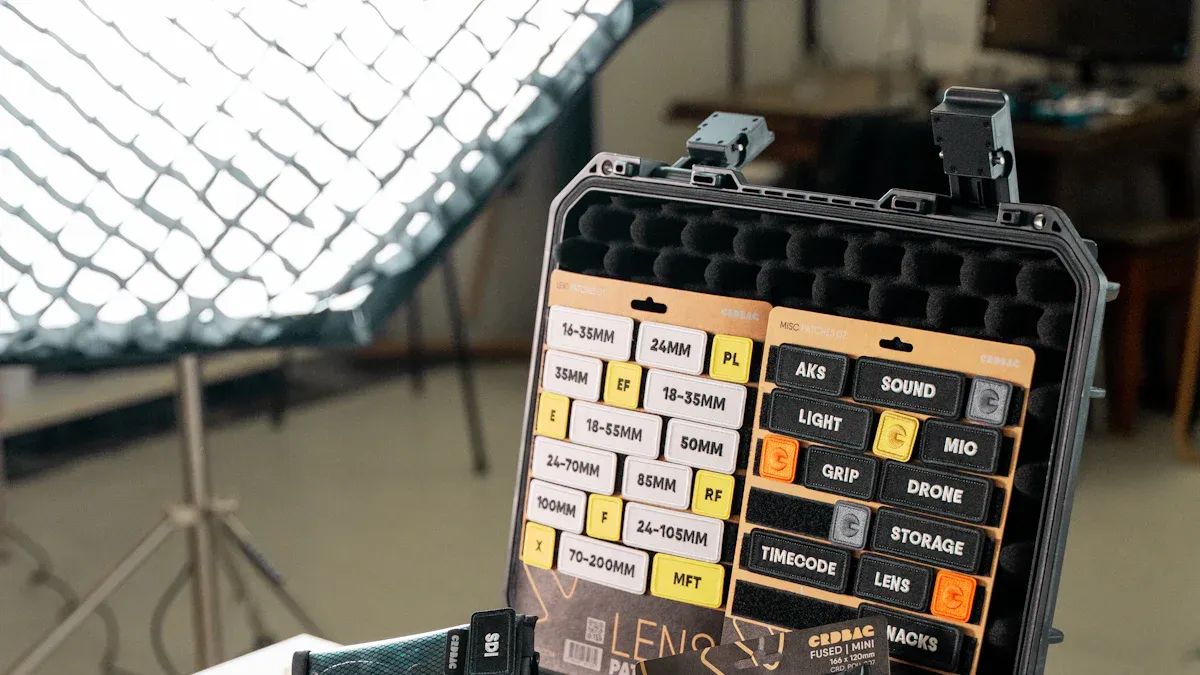
Side-by-Side Comparison Table
The following table summarizes the key features of the top-rated protective boxes. This comparison helps professionals quickly identify which box meets their specific needs.
| Protective Box | Durability | Waterproof Rating | Dust Resistance | Portability | Price Range |
|---|---|---|---|---|---|
| Pelican 1510 Case | High | IP67 | IP67 | Moderate | $$$$ |
| SKB iSeries 3i-2015-7B-C | High | IP67 | IP67 | Moderate | $$$ |
| Nanuk 935 Case | High | IP67 | IP67 | High | $$$$ |
| Seahorse SE-300 Case | Moderate | IP67 | IP67 | High | $$ |
| Thule Subterra Carry-On | Moderate | N/A | N/A | Very High | $$$ |
Best Use Cases for Each Protective Box
Each protective box serves unique purposes based on its features. Here are the best use cases for the top-rated options:
- Pelican 1510 Case: Ideal for photographers and videographers. Its high-impact polymer construction and excellent waterproof ratings ensure that sensitive equipment remains safe during transport.
- SKB iSeries 3i-2015-7B-C: This box is perfect for musicians and audio professionals. Its robust design protects valuable instruments and gear from moisture and impact.
- Nanuk 935 Case: Recommended for outdoor enthusiasts. The customizable foam options allow users to tailor the interior for specific gear, making it suitable for camping or hiking trips.
- Seahorse SE-300 Case: Best for everyday use. Its lightweight design and waterproof capabilities make it a reliable choice for professionals who need to transport tools or equipment regularly.
- Thule Subterra Carry-On: Excellent for business travelers. Its organizational compartments and durable build cater to professionals who require efficient packing and easy access to their belongings.
By understanding the strengths of each protective box, professionals can select the most suitable option for their specific needs. This careful selection enhances the longevity and reliability of their equipment, ensuring optimal performance in various environments.
Customer Reviews and Feedback on Protective Boxes
Summary of User Experiences
Customers frequently share their experiences with protective boxes, highlighting both positive and negative aspects. Many users appreciate the enhanced protection these boxes provide for their valuable equipment. They report fewer issues related to damage during transport, which significantly boosts their confidence in the products they store.
Additionally, users often mention the ease of opening, handling, and storing these boxes. This convenience leads to a sense of relief, especially for professionals who rely on quick access to their gear. Many customers feel that the thoughtful design of these boxes reflects a commitment to meeting their needs, fostering trust in the brands they choose.
Common Praise and Criticisms
Users consistently praise protective boxes for several reasons:
- Enhanced Product Protection: Customers report that these boxes effectively safeguard their equipment, leading to fewer damages.
- Improved Handling: Many find that the design allows for easy opening and closing, making it simple to access contents quickly.
- Trust and Reliability: A well-constructed box creates a sense of trust, indicating that the manufacturer values customer needs.
First impressions also play a significant role in customer satisfaction. Users often comment on the positive impact of well-designed packaging. They note that quality packaging increases their confidence in the brand. This confidence transforms delivery moments into positive experiences, encouraging repeat orders.
Moreover, customers appreciate how protective boxes elevate the perceived value of their products. Thoughtful presentation fosters emotional connections, leading to customer loyalty. Users express delight when they receive their items in well-protected packaging, which encourages long-term advocacy for the brand.
However, some criticisms arise as well. A few users report that certain models can be bulkier than expected, making transport less convenient. Others mention that while the protection is excellent, the price point may be a barrier for budget-conscious professionals.
Choosing the right protective box is essential for professionals who prioritize equipment safety and productivity. A well-selected protective box not only safeguards valuable tools but also enhances workflow efficiency. The top-rated options discussed include the Pelican 1510 Case, SKB iSeries 3i-2015-7B-C, Nanuk 935 Case, Seahorse SE-300 Case, and Thule Subterra Carry-On. Each box offers unique features tailored to specific needs.
These protective boxes have received notable recognition in the industry. For instance, the Packaging Innovation Prize in 2021 acknowledged the OneBox for its innovative design. Additionally, the WorldStar of Packaging Award in 2023 recognized its tamper-evident closure and sustainability features. Such accolades reflect the commitment to quality and innovation in protective box design.
FAQ
What materials are commonly used in protective boxes?
Manufacturers often use high-impact plastics, aluminum, and foam for protective boxes. These materials provide durability, waterproofing, and resistance to dust and impacts, ensuring equipment safety.
How do I choose the right size for my protective box?
Consider the dimensions of your equipment and any additional accessories. Measure your items and select a box that offers a snug fit without excessive space, which can lead to movement during transport.
Are protective boxes suitable for air travel?
Yes, many protective boxes, like the Pelican 1510 Case, meet TSA regulations for air travel. Always check specific airline requirements to ensure compliance before flying.
Can I customize the interior of my protective box?
Many protective boxes come with customizable foam inserts. Users can cut the foam to fit their equipment securely, providing tailored protection and organization.
How do I maintain my protective box?
Regularly inspect the box for any signs of wear or damage. Clean it with mild soap and water, avoiding harsh chemicals that could degrade materials. Ensure seals remain intact for optimal protection.
What is the average lifespan of a protective box?
The lifespan varies based on usage and environmental conditions. High-quality protective boxes can last several years, especially with proper care and maintenance.
Are there budget-friendly options available?
Yes, various protective boxes cater to different budgets. While premium options offer advanced features, many affordable models still provide adequate protection for everyday use.
How do I know if a protective box is waterproof?
Check the manufacturer’s specifications for an IP rating. An IP67 rating indicates complete waterproofing, while lower ratings may only offer splash resistance. Always verify before purchasing.
Post time: Feb-11-2026