

Organizations often face significant challenges that hinder their ability to protect equipment, leading to financial losses. Delays in receiving personal protective equipment (PPE), financial constraints, and inadequate employer support can exacerbate these issues. Investing in a Deep Depth Protective Equipment Storage Case can mitigate these risks effectively. By safeguarding valuable equipment, businesses can avoid costly damages and enhance their overall operational efficiency. Cost savings arise from reduced equipment damage, improved organization, and enhanced efficiency, which are crucial for any organization aiming to maintain a healthy bottom line.
Key Takeaways
- Deep depth protective equipment storage cases reduce equipment damage during transport and storage, saving money on repairs.
- Custom foam inserts in these cases protect sensitive equipment from impacts and vibrations, ensuring it remains functional.
- Organized storage systems help employees quickly find tools, reducing downtime and increasing productivity.
- Implementing just-in-time inventory practices with these cases lowers holding costs and minimizes waste.
- Durable materials in these cases extend their lifespan, leading to fewer replacements and lower long-term costs.
- Many manufacturers offer warranties for these cases, providing peace of mind and protecting your investment.
- Using these cases promotes eco-friendly practices by reducing waste and supporting recycling efforts.
- Deep depth cases are versatile and suitable for various industries, making them a smart choice for protecting valuable equipment.
Reduced Equipment Damage
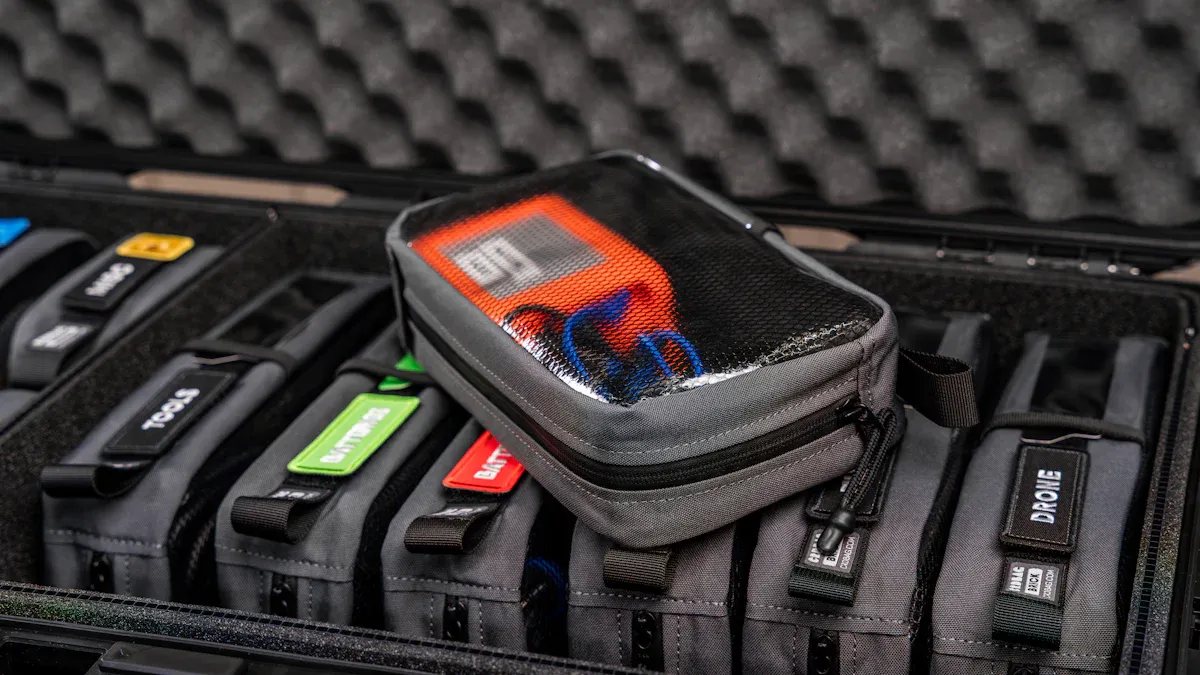
Deep depth protective equipment storage cases significantly reduce the risk of equipment damage during transport and storage. These cases, such as Pelican cases with foam inserts, are engineered to absorb and dissipate energy from impacts and vibrations. This design is crucial for preventing both cosmetic and functional damage to sensitive equipment. When an impact occurs, the foam compresses, absorbing shock and gradually releasing energy. This mechanism protects the equipment inside from potential harm.
Moreover, the custom foam inserts play a vital role in vibration dampening. This feature is particularly important for sensitive electronics and calibrated instruments. By isolating the equipment from continuous vibrations during transportation, the foam helps prevent gradual misalignment and potential malfunctions. As a result, the equipment remains operational and intact, reducing the likelihood of costly repairs or replacements.
In addition to protecting functionality, high-quality foam inserts also minimize cosmetic damage, such as scratches and dents. Maintaining the equipment’s appearance is essential for preserving its resale value. The foam is designed to retain its protective qualities over time, ensuring that the equipment is safeguarded throughout its lifecycle. This durability contributes to both the physical integrity and operational readiness of the equipment.
When comparing deep depth protective equipment storage cases to alternative storage solutions, the differences in durability and protection become evident. The following table highlights key features:
| Feature | Deep Depth Cases | Alternative Solutions |
|---|---|---|
| Water Resistance | High (IP rating) | Varies |
| Dust Resistance | High (IP rating) | Varies |
| Material Strength | Superior | Moderate to Low |
| Usability | Enhanced | Basic |
| Durability | High | Moderate |
Investing in a deep depth protective equipment storage case not only safeguards equipment but also translates into significant cost savings by preventing damage. Organizations can avoid the financial burden associated with repairs, replacements, and downtime, ultimately enhancing their operational efficiency.
Improved Organization

Effective organization plays a crucial role in maximizing the benefits of deep depth protective equipment storage cases. These cases not only protect equipment but also streamline the management of tools and materials. When organizations implement these storage solutions, they experience several advantages that lead to significant cost savings.
First, deep depth protective equipment storage cases facilitate process optimization. By maintaining inventory accuracy, organizations can quickly identify discrepancies. This capability reduces costs associated with lost or misplaced items. Additionally, a well-organized storage system minimizes the time employees spend searching for equipment. This efficiency translates into higher productivity and lower labor costs.
Second, evaluating the pick process becomes easier with organized storage. Organizations can identify inefficiencies in their workflows, allowing for targeted improvements. For instance, if employees frequently struggle to access certain tools, adjustments can be made to the layout of the storage cases. These changes save time and money by streamlining operations.
Another benefit of improved organization is the implementation of just-in-time (JIT) inventory practices. Deep depth protective equipment storage cases allow organizations to minimize storage needs while maintaining service levels. This approach leads to lower holding costs, as businesses do not need to invest in excess inventory. Instead, they can focus on acquiring equipment as needed, reducing waste and unnecessary expenses.
Moreover, the flexibility of these storage solutions adapts to changing inventory needs. Organizations can prevent overstock situations, which often result in additional costs. By using deep depth protective equipment storage cases, businesses can adjust their storage strategies based on current demands, ensuring they only keep what is necessary.
To illustrate the cost-saving benefits of improved organization, consider the following table:
| Strategy | Benefit |
|---|---|
| Process optimization | Maintains inventory accuracy and identifies discrepancies quickly, reducing costs. |
| Pick process evaluation | Identifies inefficiencies, allowing for targeted improvements that save time and money. |
| Just-in-time (JIT) inventory | Minimizes storage needs while maintaining service levels, leading to lower holding costs. |
| Flexible storage solutions | Adapts to changing inventory needs, preventing overstock and associated costs. |
| Continuous improvement methodologies | Provides structured approaches to enhance efficiency, resulting in measurable savings. |
| Performance measurement | Tracks key metrics to ensure improvements lead to cost reductions and operational efficiency. |
Enhanced Efficiency
Deep depth protective equipment storage cases significantly enhance operational efficiency within organizations. By providing a structured and secure environment for equipment, these cases streamline workflows and reduce time spent on various tasks. Here are several ways in which these storage solutions contribute to improved efficiency:
-
Quick Access to Equipment:
- With organized storage, employees can quickly locate the tools and equipment they need. This reduces downtime and allows teams to focus on their core tasks.
- A well-arranged case minimizes the time spent searching for items, leading to faster project completion.
-
Simplified Inventory Management:
- Deep depth cases often come with customizable compartments. This feature allows organizations to categorize equipment effectively.
- Employees can easily track inventory levels and identify when to reorder supplies, preventing delays caused by stock shortages.
-
Reduced Training Time:
- New employees can adapt more quickly to their roles when equipment is stored systematically.
- Clear labeling and organized compartments help them understand where items belong, reducing the learning curve associated with equipment management.
-
Minimized Equipment Handling:
- The design of deep depth protective cases encourages proper handling of equipment.
- By minimizing unnecessary movement, organizations can reduce wear and tear on tools, extending their lifespan and maintaining operational readiness.
-
Streamlined Maintenance Procedures:
- Regular maintenance becomes easier with organized storage.
- Employees can quickly access equipment for routine checks, ensuring that all tools remain in optimal condition. This proactive approach prevents unexpected breakdowns and costly repairs.
Tip: Implementing a color-coded system for different types of equipment can further enhance efficiency. This visual cue allows employees to identify items at a glance, speeding up the retrieval process.
To illustrate the impact of enhanced efficiency, consider the following table:
| Efficiency Aspect | Benefit |
|---|---|
| Quick Access | Reduces downtime and accelerates project completion. |
| Simplified Inventory Management | Prevents stock shortages and delays. |
| Reduced Training Time | Shortens the learning curve for new employees. |
| Minimized Equipment Handling | Extends the lifespan of tools and maintains operational readiness. |
| Streamlined Maintenance Procedures | Prevents unexpected breakdowns and costly repairs. |
Long-term Investment
Investing in a Deep Depth Protective Equipment Storage Case represents a strategic decision that yields long-term financial benefits. Organizations that prioritize protective storage solutions often experience significant returns on their investment over time. Here are several key factors that contribute to this long-term value:
-
- Deep depth protective equipment storage cases are designed to withstand harsh conditions. Their robust construction ensures that they endure wear and tear, reducing the need for frequent replacements.
- This durability translates into lower long-term costs, as organizations do not need to allocate funds for new cases regularly.
-
Warranty Assurance:
- Many manufacturers, such as Seahorse, offer lifetime limited warranties against manufacturing defects for their protective equipment storage cases.
- This warranty provides peace of mind, ensuring that organizations can rely on their investment without worrying about unexpected expenses related to defects.
-
Reduced Replacement Costs:
- By preventing equipment damage, these storage cases minimize the need for costly repairs or replacements.
- Organizations can allocate their budgets more effectively, focusing on growth rather than unexpected expenses.
-
Increased Resale Value:
- Well-maintained equipment stored in high-quality cases retains its value better than equipment that suffers from damage.
- When organizations decide to upgrade or sell their equipment, they can achieve higher resale prices, further enhancing their return on investment.
-
Operational Efficiency:
- The organization and protection provided by deep depth protective equipment storage cases lead to improved operational efficiency.
- As teams spend less time managing damaged equipment or searching for misplaced tools, they can focus on their core tasks, driving productivity and profitability.
Tip: Consider the total cost of ownership when evaluating storage solutions. While initial costs may vary, the long-term savings associated with durability and efficiency can significantly impact the bottom line.
Versatility of Use
Deep depth protective equipment storage cases offer remarkable versatility, making them suitable for a wide range of applications across various industries. Organizations can leverage these cases to protect equipment in diverse environments, leading to significant cost savings. Here are some key areas where these storage solutions excel:
-
Industrial Applications:
- In manufacturing and construction, these cases safeguard tools and machinery from damage during transport.
- They also provide protection against dust, moisture, and impacts, ensuring that equipment remains operational.
-
Medical and Laboratory Use:
- Healthcare facilities utilize deep depth cases to store sensitive medical instruments and devices.
- These cases prevent contamination and damage, which can lead to costly replacements and downtime.
-
Aerospace and Defense:
- The aerospace industry relies on these storage solutions to protect critical components during transport and storage.
- Their durability ensures that equipment remains intact, reducing the risk of delays and financial losses.
-
Photography and Videography:
- Professionals in the creative industry use deep depth cases to store cameras, lenses, and other delicate equipment.
- The protective features help maintain the quality of gear, preserving its value over time.
-
Outdoor and Recreational Use:
- Adventurers and outdoor enthusiasts benefit from these cases when transporting gear such as camping equipment, fishing rods, or sports gear.
- The cases protect against environmental elements, ensuring that equipment remains functional and ready for use.
Tip: When selecting a deep depth protective equipment storage case, consider the specific needs of your industry. Customizable options allow organizations to tailor storage solutions to their unique requirements.
The versatility of these storage cases extends beyond their primary function. Organizations can adapt them for various uses, such as:
- Mobile Workstations: Some cases can be converted into mobile workstations, providing a portable solution for on-site tasks.
- Event Management: Event planners can use these cases to transport and store audiovisual equipment, ensuring everything arrives in pristine condition.
- Educational Purposes: Schools and universities can utilize these cases to store lab equipment, ensuring safety and organization.
Environmental Impact
Deep depth protective equipment storage cases contribute positively to environmental sustainability in several ways. Organizations that invest in these cases not only protect their equipment but also promote eco-friendly practices. Here are some key environmental benefits:
-
- Many deep depth cases utilize high-quality, long-lasting materials. These materials reduce the frequency of replacements, leading to less waste in landfills.
- By choosing durable options, organizations minimize their environmental footprint.
-
Reduced Waste:
- Protecting equipment from damage decreases the need for replacements. This reduction in turnover means fewer resources are consumed in manufacturing new items.
- Organizations can significantly lower their waste output by extending the lifespan of their equipment.
-
- Many protective cases feature components that manufacturers design for recyclability. When these cases reach the end of their life cycle, organizations can recycle them instead of discarding them.
- This practice supports a circular economy, where materials are reused rather than wasted.
-
Energy Efficiency:
- Using deep depth protective equipment storage cases can lead to energy savings. When equipment remains intact, organizations avoid the energy costs associated with manufacturing replacements.
- Additionally, efficient storage solutions can streamline logistics, reducing transportation emissions.
-
Sustainable Practices:
- Organizations that prioritize protective storage often adopt other sustainable practices. For example, they may implement energy-efficient systems or reduce their overall consumption of resources.
- This holistic approach to sustainability enhances their corporate responsibility and public image.
Tip: When selecting storage solutions, consider the environmental policies of manufacturers. Opt for companies that prioritize sustainability in their production processes.
To illustrate the environmental impact further, consider the following table:
| Environmental Benefit | Description |
|---|---|
| Durable Materials | Long-lasting materials reduce the need for frequent replacements. |
| Reduced Waste | Less turnover leads to lower waste output and resource consumption. |
| Recyclable Components | Many cases feature recyclable parts, supporting a circular economy. |
| Energy Efficiency | Protecting equipment avoids energy costs associated with replacements. |
| Sustainable Practices | Organizations adopting protective storage often embrace broader sustainability initiatives. |
By investing in deep depth protective equipment storage cases, organizations not only protect their assets but also contribute to a healthier planet. This commitment to sustainability aligns with growing consumer expectations for responsible business practices.
Investing in a Deep Depth Protective Equipment Storage Case offers substantial cost savings for organizations. Key benefits include reduced equipment damage, improved organization, enhanced efficiency, and long-term investment value. These cases not only protect valuable assets but also streamline operations, leading to lower overall costs.
Organizations can expect a favorable return on investment, as these cases enhance storage density and operational efficiency. Industry experts highlight advantages such as impact protection, environmental resistance, and organized inventory management.
By prioritizing these protective solutions, organizations can effectively manage their equipment and minimize financial losses.
FAQ
What are deep depth protective equipment storage cases?
Deep depth protective equipment storage cases are specialized containers designed to safeguard equipment during transport and storage. They feature durable materials and customizable compartments to protect against damage, moisture, and dust.
How do these cases save money?
These cases save money by reducing equipment damage, improving organization, enhancing efficiency, and minimizing replacement costs. They help organizations avoid costly repairs and downtime, leading to significant long-term savings.
Are these cases suitable for all industries?
Yes, deep depth protective equipment storage cases are versatile and suitable for various industries, including manufacturing, healthcare, aerospace, and outdoor recreation. Their design adapts to different equipment types and environmental conditions.
How do I choose the right case for my equipment?
Consider factors such as equipment size, weight, and sensitivity. Look for cases with customizable compartments and durable materials. Assess the specific environmental conditions your equipment will face during transport or storage.
Can these cases be recycled?
Many deep depth protective equipment storage cases feature recyclable components. When they reach the end of their life cycle, organizations can recycle them, supporting sustainability and reducing waste.
What maintenance do these cases require?
Deep depth protective equipment storage cases require minimal maintenance. Regularly inspect for damage, clean surfaces, and ensure compartments remain organized. This practice helps maintain their protective qualities and extends their lifespan.
Do these cases come with warranties?
Yes, many manufacturers offer warranties for deep depth protective equipment storage cases. These warranties typically cover manufacturing defects, providing organizations with peace of mind regarding their investment.
How can I improve organization within the cases?
Utilize customizable compartments and labeling systems to enhance organization. Implement color-coded systems for different equipment types. Regularly review and adjust the layout based on usage patterns to optimize efficiency.
Post time: Feb-05-2026