
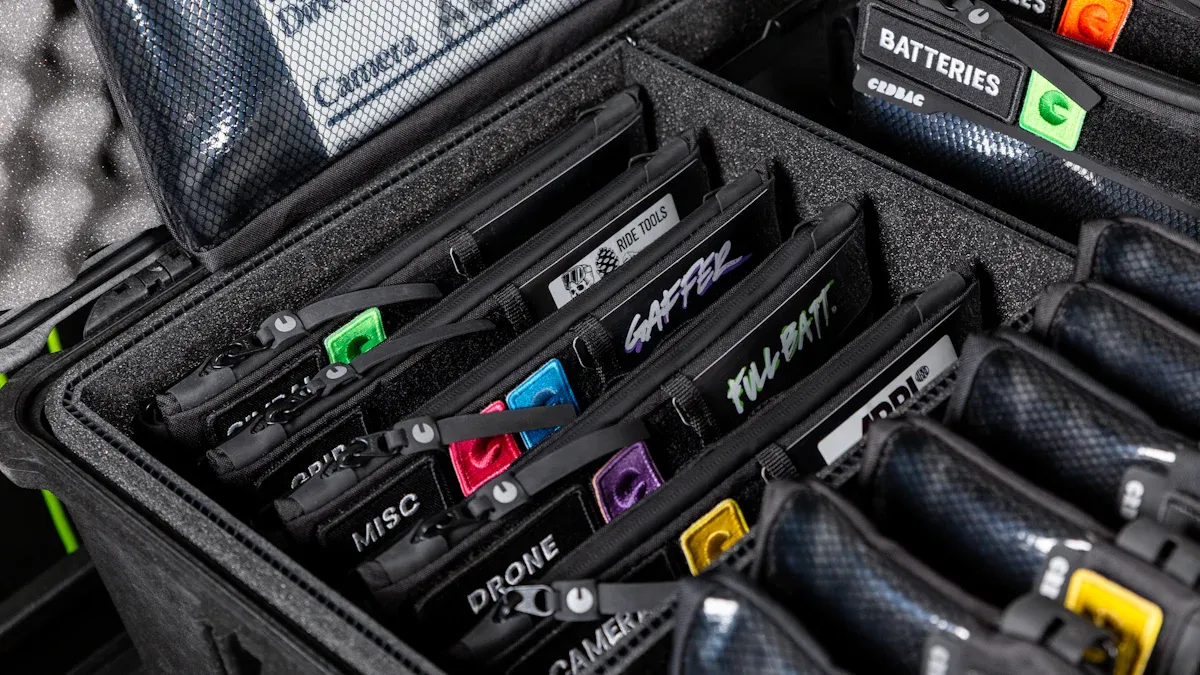
Safeguarding valuable camera and drone equipment from water, dust, and impact is crucial. Professionals and enthusiasts alike require robust solutions for their investments. A high-quality Protective Box offers essential defense for sensitive gear. This guide assists individuals in choosing the optimal waterproof protective box, ensuring equipment remains safe in any environment. This comprehensive approach establishes a reliable Professional Gear Protective Transport System.
Key Takeaways
- A waterproof protective box keeps your camera and drone gear safe from water, dust, and impacts.
- Look for an IP67 rating to ensure the box protects against dust and temporary water submersion.
- Materials like HPX Resin and Polypropylene offer strong protection for your equipment.
- Customizable foam inserts and secure latches keep your gear snug and safe inside the box.
- Automatic pressure valves are important for air travel, preventing issues from altitude changes.
- Consider your gear size, travel plans, and budget when choosing the best protective box.
- Regular cleaning and maintenance of seals and latches help your protective box last longer.
Why a Waterproof Protective Box is Essential for Your Gear
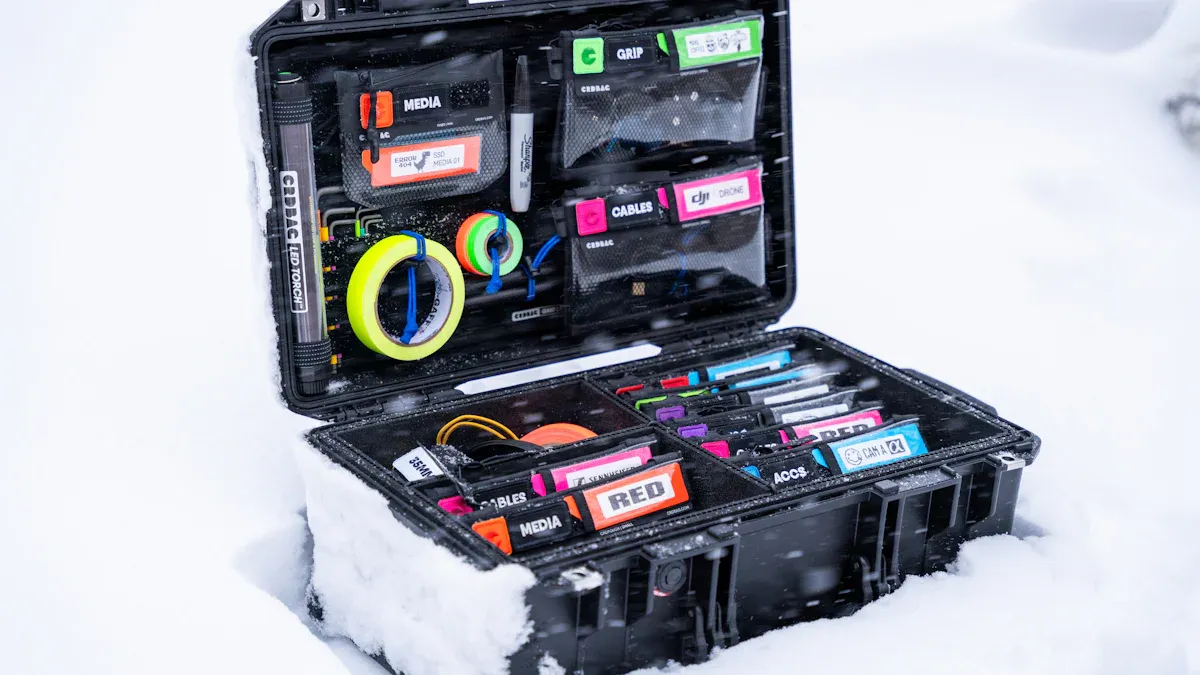
Investing in high-quality camera and drone equipment demands equally robust protection. A specialized waterproof protective box offers indispensable safeguarding for these valuable assets. It shields gear from various environmental hazards and significantly extends its operational lifespan.
Protecting Against Environmental Threats
Preventing Water Damage from Rain, Splashes, and Submersion
Water poses a significant threat to delicate electronics. Rain, accidental splashes, or even brief submersion can cause irreparable damage to cameras, lenses, and drone components. A waterproof protective box creates an impenetrable barrier, effectively preventing any liquid from reaching sensitive circuitry. This ensures equipment remains dry and functional, regardless of weather conditions or proximity to water bodies.
Excluding Dust, Dirt, and Sand from Sensitive Components
Fine particles like dust, dirt, and sand are insidious enemies of electronic devices. They can infiltrate tiny crevices, clog moving parts, and scratch optical surfaces. Over time, these contaminants degrade performance and lead to costly repairs. A sealed protective box actively excludes these abrasive elements, keeping internal mechanisms clean and operational. This protection is crucial for maintaining image quality and drone flight stability.
Shielding Against Humidity and Moisture Build-up
Beyond direct water contact, humidity and moisture in the air present a long-term risk. High humidity can lead to condensation, corrosion, and the growth of mold or mildew inside equipment. A well-sealed protective box, often equipped with pressure equalization valves, helps regulate the internal environment. It minimizes moisture ingress, thereby preventing internal damage and preserving the integrity of electronic components and optics.
Enhancing Equipment Durability and Longevity
Providing Impact Resistance for Drops and Travel
Camera and drone gear frequently endures bumps, knocks, and accidental drops, especially during travel or fieldwork. A robust protective box features a hard shell construction designed to absorb and dissipate impact forces. This superior impact resistance safeguards delicate internal components from physical shock, preventing cracks, dents, and internal disconnections. It ensures equipment survives rough handling and challenging transport conditions.
Maintaining Equipment Functionality Over Time
Consistent protection directly translates to sustained equipment functionality. By shielding gear from environmental threats and physical impacts, a protective box prevents premature wear and tear. This proactive approach minimizes the need for repairs and calibration, allowing photographers and drone pilots to rely on their tools for consistent, high-quality performance over many years.
Preserving Resale Value of Your Investment
Equipment kept in pristine condition retains significantly more of its original value. Scratches, water damage, or dust infiltration visibly diminish an item’s appeal and functionality, reducing its market price. Utilizing a high-quality protective box ensures gear remains in excellent cosmetic and operational condition. This careful preservation helps maximize the resale value of your camera and drone investments.
Key Features to Look for in a High-Quality Protective Box
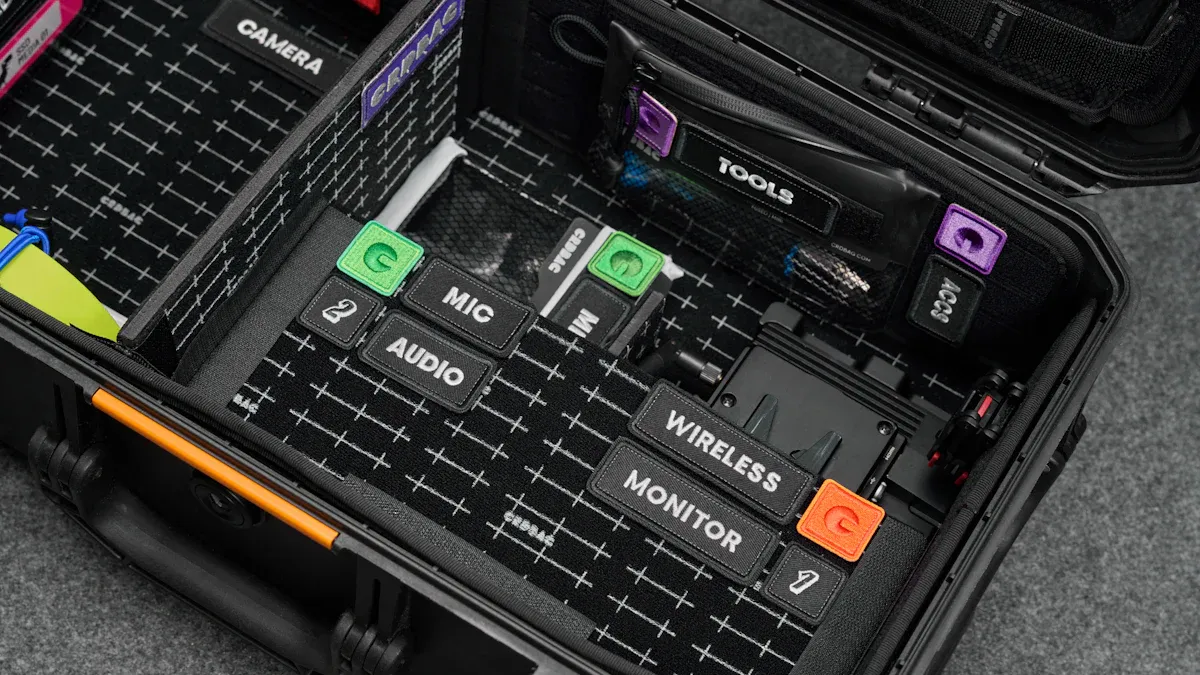
Selecting the right protective box requires careful consideration of its features. These elements ensure the box provides optimal safety and usability for valuable camera and drone equipment. Understanding these characteristics helps make an informed decision.
Understanding Protection Ratings and Materials
IP Rating (Ingress Protection) for Water and Dust Resistance
The IP rating indicates a protective box’s resistance to solids and liquids. The first digit represents protection against solid objects (like dust), while the second digit indicates water resistance. For camera and drone gear, an IP67 rating is highly desirable. This rating signifies complete dust-tightness and protection against temporary submersion in water up to 1 meter for 30 minutes.
Material Durability: Polypropylene, ABS Plastic, and Resin Constructions
The construction material significantly impacts a protective box’s durability and weight. Different plastics offer varying levels of protection.
| Material | Durability | Weight | Resistance to Impacts and Scratches (Impacts / Scratches) |
|---|---|---|---|
| ABS | Medium | Medium | Good / Medium |
| Polypropylene | High | Low | High / Medium |
| HPX Resin | Very high | Very low | Exceptionally high / High |
- Polypropylene (PP): This material offers high resistance to mechanical damage. It remains durable for many years and retains properties even at very low temperatures. Polypropylene is flexible, absorbing shocks and impacts without cracking. It is also lightweight, allowing for more items without exceeding airline weight limits. However, it has lower scratch resistance compared to harder materials.
- ABS (Acrylonitrile-Butadiene-Styrene): ABS is relatively resistant to shocks and impacts. It absorbs impact energy. However, it has lower flexibility compared to polypropylene or polycarbonate. It may crack under heavy loads or strong impacts, such as falls from height. ABS cases typically have a medium weight.
- HPX Resin: This material provides exceptional impact resistance. It absorbs and disperses energy from impacts. HPX resin is resistant to wear, scratches, UV radiation, and moisture, ensuring long-lasting durability. It is also very lightweight compared to traditional materials like ABS or polycarbonate.
O-Ring Seals and Pressure Valves for Watertight Integrity
High-quality protective boxes feature O-ring seals. These rubber gaskets create a watertight barrier between the lid and the base. Pressure valves, often automatic, allow air pressure inside the case to equalize with external pressure. This prevents vacuum locks at high altitudes and ensures the case remains easy to open.
Internal Customization and Security for Your Gear
Foam Inserts: Pick-and-Pluck, Custom-Cut, and Padded Dividers
Internal organization is crucial for gear protection. Foam inserts provide cushioning and secure individual items.
| Foam Type | Characteristics | Benefits for Camera/Drone Equipment | Pros | Cons |
|---|---|---|---|---|
| Polyurethane (PU) Foam | Open-cell, soft, flexible, lightweight | Good for light to medium-weight items, cushioning, conforms to shapes | Inexpensive, lightweight, easy to cut | Less durable, absorbs moisture, degrades |
| Polyethylene (PE) Foam | Closed-cell, firmer, rigid, excellent shock absorption | Ideal for heavy/delicate equipment, superior impact protection, water/chemical resistant | Excellent shock absorption, durable, long-lasting | More expensive, less flexible, harder to cut |
| Cross-Linked Polyethylene (XLPE) Foam | Closed-cell, very fine, smooth surface | Enhanced protection for sensitive electronics, professional look, moisture/chemical resistant | Superior shock absorption, excellent durability, aesthetically pleasing | Most expensive, less flexible, difficult to cut |
| Ethylene-Vinyl Acetate (EVA) Foam | Closed-cell, rubber-like elasticity, good impact absorption | Versatile, balance of cushioning/protection, UV/weather resistant | Good balance, UV/weather resistant, flexible, durable | More expensive than PU, not as firm for heavy items |
Pick-and-pluck foam allows users to customize compartments by removing pre-scored foam blocks. Custom-cut foam offers a precise fit for specific gear. Padded dividers provide flexibility for reconfiguring layouts.
Secure Latches: PowerClaw, Snap-Open Stainless Steel, and Padlock Compatibility
Latches keep the case securely closed. PowerClaw latches offer strong clamping force. Snap-open stainless steel latches provide durability and quick access. Many cases also include reinforced padlock holes, allowing users to add extra security.
Internal Straps and Organizers for Added Stability
Internal straps secure larger items, preventing movement during transit. Lid organizers, often made of mesh or zippered pockets, store smaller accessories like cables, batteries, and memory cards.
Travel and Usability Considerations for Your Protective Box
Pressure Equalization Valve for Air Travel Safety
Automatic pressure equalization valves are crucial for air travel. They simplify the process and contribute to a smoother experience. MIL-STD-810H certification addresses the performance of these valves. This ensures they allow gradual pressure equalization while maintaining watertight integrity. This prevents difficulty in opening cases or stress on equipment due to altitude changes. These valves, combined with a gasket-sealed design, help maintain a controlled environment for gear.
Portability Features: Wheels, Telescoping Handles, and Ergonomic Grips
For larger cases, wheels and telescoping handles greatly enhance portability. All-terrain polyurethane wheels allow easy movement over varied surfaces. Ergonomic grips on handles ensure comfortable carrying.
Weight and Size Considerations for Different Applications
The weight and size of the protective box should match the gear and intended use. Smaller, lighter cases suit day trips or carry-on travel. Larger, heavier cases are better for extensive kits or checked luggage.
Top 5 Protective Box Choices for Camera and Drone Owners
Choosing the right protective case for valuable camera and drone equipment is a critical decision. This section highlights five top-tier options, each offering distinct advantages for various needs and budgets.
Pelican 1510 Protector Case: The Industry Standard Protective Box
Overview: Rugged Protection for Larger Setups
The Pelican 1510 Protector Case stands as an industry benchmark for equipment protection. It offers a robust solution for photographers and drone pilots transporting larger camera bodies, multiple lenses, or compact drone kits. Its design prioritizes extreme durability and security, making it a trusted choice for professionals worldwide. Users have enjoyed the Pelican 1510 for almost six months, safely wheeling around expensive gear.
Key Features: Robust Build, Customizable Foam, Wheels, Retractable Handle
The Pelican 1510 features a virtually indestructible shell, often made from a proprietary blend of lightweight resin. It includes customizable pick-and-pluck foam inserts, allowing users to create a snug, custom fit for their specific gear. Integrated wheels and a retractable handle provide easy portability, especially when carrying heavy loads. The case also boasts heavy-duty clasps that create a waterproof seal, preserving tools in “mint condition.” It is essentially air-tight, featuring a controlled pressure release valve.
Pros: Extreme Durability, IP67 Rated, Trusted Brand
The Pelican 1510 offers extreme durability. It is crushproof, corrosion-proof, dustproof, and waterproof. The case provides peace of mind; one user protected gear from water on the floor in a wine bottling plant. The Peli 1510 Protector Case is IP67 rated. This means it offers 100% protection against dust and sand. It can also withstand submersion in up to 3 feet of water for 30 minutes. Its solid construction and heavy-duty wheels are immediately noticeable. The catches and hinges are thick, hardy, and unlikely to wear out or break. It features metal-guarded padlock holes for enhanced security. The rubber o-ring ensures a substantial seal against water and dust ingress. Daniel Castelli, a user, considers a similar-sized Pelican case “better than a safe” for securing spare photo gear and valuables. Chris M, another user, praises Pelican cases as “incredible” and capable of lasting a lifetime. He mentions a 30-year-old Doskocil case (a Pelican brand) that still protects his gear perfectly. The case preserves tool life due to tight packing, air-tightness, and prevention of water ingress and friction. Its buoyancy, up to a 29kg load, suggests it could be towed by a RIB without compromising contents.
Cons: Heavier, Bulkier, Higher Price Point
Despite its many advantages, the Pelican 1510 is heavier and bulkier than some alternatives. Its robust construction contributes to its weight, which can be a consideration for air travel. The premium protection also comes with a higher price point compared to budget options.
Nanuk 935 Waterproof Carry-On Hard Case: Innovative Protective Box for Travelers
Overview: Strong Contender with Advanced Latching System
The Nanuk 935 Waterproof Carry-On Hard Case presents a strong alternative for travelers. It combines innovative design with robust protection, specifically tailored to meet airline carry-on regulations. This case offers a secure and portable solution for sensitive equipment.
| Feature | Detail |
|---|---|
| ATA Compliant | Yes |
| Exterior Dimensions | 22 x 14 x 9″ / 55.9 x 35.6 x 22.9 cm |
| Weight | 11.6 lb / 5.3 kg |
Key Features: PowerClaw Latches, IP67 Rated, Carry-On Size
The Nanuk 935 features the patented PowerClaw latching system. These latches clamp the case shut with significant force, ensuring a secure seal. It boasts an IP67 rating, confirming its dustproof and waterproof capabilities. Its exterior dimensions (22 x 14 x 9 inches) and weight (11.6 lbs / 5.3 kg) comply with most airline carry-on requirements, making it ideal for air travel.
Pros: Impact Resistant, Lightweight for its Class, Secure
The Nanuk 935 is highly impact resistant, protecting contents from drops and shocks. It offers a relatively lightweight design for a hard case of its class, easing travel burdens. The PowerClaw latches provide superior security, preventing accidental opening.
Cons: Foam Can Be an Extra Cost, Less Common Than Pelican
The foam inserts for the Nanuk 935 often come as an additional cost, increasing the overall investment. While a high-quality brand, Nanuk cases are less commonly seen than Pelican, potentially limiting accessory availability in some regions.
SKB iSeries 3i-2011-7DL Waterproof Case: Military-Grade Protective Box
Overview: Designed for Sensitive Electronics with Superior Protection
The SKB iSeries 3i-2011-7DL Waterproof Case is a military-grade protective box. It specifically targets the needs of professionals transporting sensitive electronics, including camera and drone equipment. Its design emphasizes superior protection against environmental hazards and physical shock.
Key Features: Military-Grade Construction, Automatic Pressure Valve
This case features military-grade construction, ensuring exceptional durability and resilience in harsh conditions. It incorporates an automatic pressure equalization valve. This valve allows for gradual pressure equalization while maintaining watertight integrity, crucial for air travel and varying altitudes.
Pros: Waterproof, Dust Tight, Lighter Weight
The SKB iSeries 3i-2011-7DL is fully waterproof and dust-tight, providing comprehensive protection for valuable gear. Its construction often utilizes lighter materials than some competitors, resulting in a lighter overall weight without compromising strength.
Cons: Limited Color Options, Perceived Less “Premium” by Some
SKB cases typically offer fewer color options compared to other brands. Some users might perceive the brand as less “premium” than more widely recognized names, despite its military-grade specifications and high performance.
HPRC 2550W Hard Case: Lightweight and Strong Protective Box
Overview: High-Performance Resin Construction for Optimal Protection
The HPRC 2550W Hard Case offers a high-performance solution for safeguarding sensitive equipment. This case utilizes a patented and trademarked material known as TTX0, a high-strength polypropylene resin. This advanced construction makes the case 25% lighter and 25% stronger than comparable cases from other manufacturers. This directly indicates a positive impact on its strength-to-weight ratio. The HPRC 2550W is noticeably lighter than a Peli 1510 carry-on case, providing optimal protection without excessive bulk.
Key Features: Lightweight, Durable, Ergonomic Handle
The HPRC 2550W prioritizes both durability and ease of transport. Its lightweight design makes it an excellent choice for travelers and professionals who require mobility. The case features a robust construction, ensuring long-lasting protection for valuable gear. An ergonomic handle provides a comfortable grip, facilitating easy carrying even when fully loaded.
Pros: Excellent Strength-to-Weight Ratio, Waterproof, Dustproof
Users benefit from the HPRC 2550W’s exceptional strength-to-weight ratio, which allows for robust protection without adding unnecessary weight. The case is fully waterproof and dustproof, effectively shielding contents from environmental hazards. Its design ensures gear remains dry and clean in challenging conditions.
Cons: Can Be Harder to Find, Higher Price Point
The HPRC 2550W, while high-performing, can be harder to find through all retailers compared to more common brands. Its advanced materials and construction also contribute to a higher price point, representing a significant investment for some users.
Apache 9800 Weatherproof Protective Case (Harbor Freight): Budget-Friendly Protective Box
Overview: Affordable Option Offering Reliable Protection
The Apache 9800 Weatherproof Protective Case from Harbor Freight provides an affordable yet reliable option for equipment protection. This case offers a cost-effective solution for individuals needing to safeguard their gear without a premium budget. The Apache 9800 Weatherproof Protective Case has an IP65 rating for weatherproofing, indicating its resistance to water and dust ingress. Its construction features a durable polypropylene shell, designed to withstand impacts and maintain its form without damage.
Key Features: Good Water and Dust Resistance, Customizable Foam
The Apache 9800 features good water and dust resistance, making it suitable for various outdoor and travel scenarios. It includes customizable foam inserts, allowing users to create tailored compartments for their specific cameras, drones, and accessories. This internal customization ensures a snug and secure fit for delicate items.
Pros: Cost-Effective, Surprisingly Robust for the Price
The primary advantage of the Apache 9800 is its cost-effectiveness. It offers a surprisingly robust level of protection for its price point, making it accessible to a wider range of users. Many find its performance exceeds expectations for a budget-friendly option.
Cons: Not as Robust as Premium Brands, Latches May Degrade Over Time
While robust for its price, the Apache 9800 may not offer the same extreme level of durability as premium brands like Pelican or Nanuk. Some users report that the latches, while functional, may degrade or become less secure over extended periods of heavy use.
How to Choose the Right Protective Box for Your Specific Needs
Selecting the ideal protective solution for camera and drone equipment requires careful consideration. Users must align the box’s capabilities with their specific gear and operational demands. This ensures optimal safety and functionality for valuable investments.
Assessing Your Gear and Usage Requirements
Evaluating the Size and Quantity of Your Camera and Drone Equipment
Begin by cataloging all items needing protection. Measure camera bodies, lenses, drones, and essential accessories. This step determines the necessary internal volume of the case. A larger kit demands a larger case, impacting portability and storage. Consider future equipment acquisitions.
Considering Your Typical Travel and Shooting Environments (e.g., Marine, Desert, Air)
The environment significantly influences protection needs. Marine environments, for instance, demand extreme water and corrosion resistance. The DroneMatrix YACOB system exemplifies this, featuring a steel enclosure and a retractable landing pad designed for harsh marine conditions. For air travel, pressure equalization valves become crucial. Desert environments require superior dust and sand exclusion. Additionally, users should consider insurance options. Hull insurance covers physical damage to the drone body. Payload insurance specifically protects attached equipment like cameras or gimbals, essential for expensive aerial photography gear.
Determining the Level of Protection Required for Your Activities
Assess risks associated with planned activities. Casual use might tolerate a less robust case. Professional expeditions or extreme sports photography demand maximum impact resistance, waterproofing, and dustproofing. Evaluate the likelihood of drops, impacts, or exposure to harsh elements. This assessment guides case selection with appropriate IP ratings and material strength.
Balancing Budget and Essential Features
Setting a Realistic Budget for Your Protective Box Investment
Establish a clear budget before shopping. Protective cases range widely in price, from budget-friendly options to premium, military-grade solutions. Remember, a protective box safeguards valuable equipment. Consider it an investment in your gear’s longevity and reliability.
Prioritizing Features: Maximum Impact Resistance vs. Lighter Weight vs. Portability
Identify the most critical features for your use case. Do you need maximum impact resistance for rugged fieldwork? Or is lighter weight and portability more important for frequent air travel? Often, a trade-off exists between these attributes. A heavier case might offer superior protection, while a lighter one enhances mobility.
Comparing Value Proposition Across Different Brands and Models
Do not base decisions solely on price. Compare the value proposition of various brands and models. Look at material quality, latch mechanisms, warranty, and internal customization options. A slightly higher initial cost for a reputable brand often translates to superior long-term protection and durability.
Maximizing the Lifespan and Performance of Your Protective Box
Proper maintenance and smart organization significantly extend a protective box’s life and ensure optimal gear protection. Users must implement consistent care practices and optimize internal configurations.
Proper Maintenance and Care Practices
Consistent maintenance preserves the integrity of any protective box. Regular cleaning and inspections prevent premature wear and tear.
Regular Cleaning and Storage Guidelines
Thoroughly clean each item before packing to remove dust and deter pests. Ensure everything is completely dry before packing to prevent mold, mildew, and other moisture-related damage. Keep storage areas clean and dry. Use pest repellent strips or sachets. Implement regular pest inspections. Consider using sealed plastic containers for long-term storage. The sterile storage area temperature should not exceed 75 degrees F, and humidity should not exceed 70 percent. This area should also have a minimum of four air exchanges per hour and positive air pressure. Sterilized items should remain wrapped until use and stored in enclosed cabinets or drawers free from moisture and dust. The storage area should be cleaned and disinfected weekly. Sterile items should not be stored on the floor, under sinks, on window sills, or adjacent to air vents. A rotational policy (first in/first out) should be developed. Store sterile packs, trays, and cases on wire shelving to prevent dust accumulation. Use a dust cover for the top shelves. The bottom shelving should have a solid shelf or splash guard to protect against splashes during floor cleaning. Shelving must be a minimum of two inches away from outside walls to prevent condensation from temperature differences.
Inspecting and Maintaining Seals, Latches, and Hinges
Follow a monthly maintenance plan that includes a visual inspection checklist for hinges, seals, and closure mechanisms. Perform a quick visual check of the exterior, including doors and locks, monthly. Quarterly, conduct a more thorough inspection of both the exterior and interior, looking for signs of wear or corrosion. Annually, perform a comprehensive inspection, including detailed checks of weatherproofing. Test locking mechanisms for smooth operation and secure sealing. Lubricate or replace them if they are rusted or difficult to operate. Examine rubber seals for intactness; cracked or loose seals can allow moisture and pests. Ensure all seals, especially on doors, are free from cracks and remain flexible. Lubricate locks and hinges regularly with a silicone-based lubricant to prevent rust and ensure easy operation. Check and replace door gaskets as needed. Check and replace locking mechanisms as needed.
Replacing Worn Components for Continued Protection
Promptly replace any worn or damaged components. This includes seals, latches, and hinges. Replacing these parts ensures the protective box maintains its original level of protection against environmental elements and impacts.
Optimizing Internal Organization and Protection
Effective internal organization maximizes space and enhances gear protection. Custom foam and desiccants play crucial roles.
Techniques for Accurately Cutting Foam Inserts
Custom foam services often employ CAD technology to design inserts that precisely match equipment specifications. This results in a snug, tailored fit superior to DIY methods. High-precision scanning and CAD software map equipment to ensure a snug fit and allow for future modifications. Advanced cutting methods like CNC routers and waterjet machines create clean edges, contours, custom cavities, rounded corners, bevels, and multi-depth layers. Laser foam cutting is utilized by advanced service providers to achieve exact fits, ensuring every corner, edge, and detail precisely matches the gear.
Effective Use of Padded Dividers and Organizers
Padded dividers offer flexibility for reconfiguring internal layouts as gear changes. Lid organizers provide convenient storage for smaller accessories, keeping them secure and easily accessible.
Utilizing Desiccants for Humidity Control
Desiccant packets prevent fogging inside camera lenses, binoculars, and protective cases for electronics. They ensure sensitive gear remains moisture-free. This also prevents corrosion and short-circuiting in electronics. Utilize desiccant packets to reduce relative humidity inside an enclosed space. Choose the right desiccant based on product moisture sensitivity, packaging permeability, and storage/shipping duration. Calculate the appropriate desiccant quantity using methods like the MIL-D-3464E specification (1.2 X Volume of Air Space in Cubic Feet) or a theoretical approach accounting for Water Vapor Transmission Rate (WVTR) for precise needs. Silica Gel Desiccants are versatile, non-toxic, and effective across most humidity levels. Molecular Sieve provides the lowest possible humidity levels, excellent for ultra-sensitive electronics. Military-Specification Desiccant is defined by rigorous standards and rated in ‘units’ for precise moisture protection.
Beyond Basic Protection: Advanced Features of a Protective Box
Modern protective cases offer more than just basic defense against the elements. They integrate advanced features for enhanced security, precise tracking, and specialized applications. These innovations ensure equipment remains safe, functional, and recoverable in any situation.
Enhanced Security and Tracking Options
Advanced Locking Mechanisms and Padlock Reinforcements
Security is paramount for valuable camera and drone gear. Advanced locking mechanisms provide robust protection against theft. For example, the Mul-T-Lock MT5+ system offers multi-layered security. It uses telescopic pin technology for effectiveness and reliability. A patented Alpha Spring, a mobile element on the key tip, provides an additional security layer. The MT5+ also includes a powerful side bar locking mechanism. This interacts with unique horizontal finger pins for extra protection. Advanced key control is managed through a unique coded Mul-T-Lock key card. Only authorized dealers can read this card. Master keying options are available for complex operational needs. The system features modular cylinders, allowing flexible configuration of cylinder lengths. Break Secure functionality deters intrusion attempts with an enhanced snap-resistant cylinder. Furthermore, reinforcement products like ‘Lock Reinforcement’ and ‘Protective Collars’ strengthen cases. Various types of padlocks, including small, medium, and heavy-duty options, further secure the contents. Manufacturers like Abloy, BiLock, EVVA, and ABUS offer these security products.
Integration of GPS Tracking Devices for Asset Recovery
Integrating GPS tracking devices into a protective case offers an invaluable layer of security. These small devices allow owners to monitor the location of their valuable equipment in real-time. If theft occurs, GPS tracking significantly increases the chances of asset recovery. This feature provides peace of mind, especially when transporting expensive gear to remote locations or through busy travel hubs.
Specialized Applications and Customizations
Temperature and Humidity Control Solutions for Sensitive Electronics
Sensitive electronics, like camera sensors and drone components, require stable environmental conditions. Temperature and humidity control solutions prevent damage from condensation and extreme temperatures. GORE Protective Vents are designed for outdoor electronic equipment enclosures. These include surveillance and security cameras. They meet IP enclosure and vented NEMA enclosure protection standards. These vents equalize pressure and reduce condensation. This helps maintain clarity and reliability in system images. They protect components from dust, debris, moisture, and humidity. This extends product life and ensures consistent performance. Available product types include Adhesive Series, Screw-In Series, and Snap-In Series. GORE Protective Vents offer an optimal combination of breathability and barrier protection. They rapidly equalize housing pressures to prevent premature seal failure. They also prevent ingress of moisture, wind-driven rain, particulates, and other contaminants. This eliminates the need for “ruggedized” housings, reducing costs and weight.
Custom Panel Mounts and Lid Organizers for Specific Tools
Custom panel mounts and lid organizers transform a standard Protective Box into a highly functional workstation. Panel mounts allow users to integrate monitors, charging stations, or specialized control units directly into the case. Lid organizers, often with zippered pockets or elastic straps, keep small accessories like cables, memory cards, and batteries neatly stored and easily accessible.
All-Terrain Wheels and Heavy-Duty Handles for Extreme Mobility
For professionals operating in challenging environments, extreme mobility is crucial. All-terrain wheels, often made from durable polyurethane, allow cases to traverse rough terrain, sand, or gravel with ease. Heavy-duty, ergonomic handles provide comfortable and secure gripping, even when carrying heavy loads over long distances. These features ensure the case and its contents can reach any destination.
Investing in a high-quality waterproof Protective Box is essential. It safeguards valuable camera and drone equipment. This guide helped readers understand key features. It also explored top recommendations. They can now make informed decisions. Choose the best protective box. This ensures gear remains safe, dry, and ready for any adventure.
FAQ
What does an IP rating mean for a protective box?
An IP rating indicates a protective box‘s resistance to solids and liquids. The first digit shows solid object protection, like dust. The second digit specifies water resistance. An IP67 rating means dust-tightness and temporary submersion protection.
Which foam insert type offers the best protection?
Polyethylene (PE) foam offers superior impact protection for heavy or delicate equipment. It is closed-cell, firm, and rigid. Cross-Linked Polyethylene (XLPE) foam provides enhanced protection for sensitive electronics. Pick-and-pluck foam allows customization.
Can users take these protective boxes on airplanes?
Yes, many protective boxes are suitable for air travel. Cases with automatic pressure equalization valves are crucial. These valves prevent vacuum locks at high altitudes. Some cases, like the Nanuk 935, meet airline carry-on size regulations.
How should users clean and maintain a protective box?
Users should regularly clean the box and inspect seals, latches, and hinges. Lubricate locks and hinges with silicone. Replace worn components promptly. This ensures continued protection against environmental elements.
Are budget-friendly protective boxes reliable for valuable gear?
Budget-friendly options, like the Apache 9800, offer reliable protection for their price. They provide good water and dust resistance. However, they may not match the extreme durability of premium brands. Latches might degrade over time.
What material provides the most durable protective box?
HPX Resin offers exceptional impact resistance and durability. It absorbs and disperses energy from impacts. Polypropylene also provides high resistance to mechanical damage. These materials ensure long-lasting protection for gear.
How do users choose the correct size protective box?
Users should measure all camera bodies, lenses, drones, and accessories. This determines the necessary internal volume. Consider future equipment acquisitions. A larger kit demands a larger case. This impacts portability and storage.
Post time: Dec-29-2025