
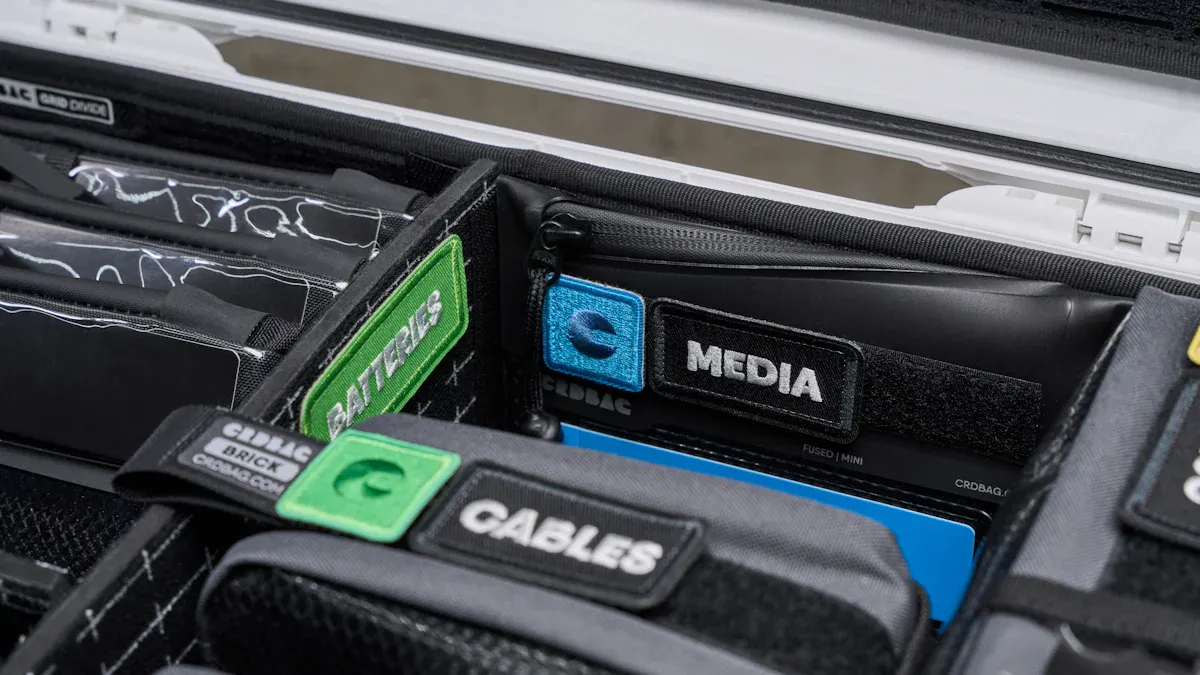
Protecting gear is crucial for ensuring longevity and functionality. Proper gear protection minimizes risks and enhances safety across various environments. Implementing effective storage solutions plays a key role in this process. For example, using a protective box can prevent unnecessary injury in the workplace and shield employees from excessive chemical exposure. Additionally, utilizing a meijia waterproof case can further enhance protection against environmental factors. The meijia cases are designed to provide robust defense for your equipment, ensuring they remain safe and functional. By incorporating a meijia case into your storage strategy, businesses can comply with regulatory requirements, ultimately improving productivity and efficiency.
Key Takeaways
- Understand your gear’s vulnerabilities to choose the right storage solutions.
- Use protective boxes made from durable materials to shield gear from damage.
- Organize gear by use and implement a labeling system for easy access.
- Utilize protective liners like foam inserts to absorb shocks during transport.
- Control climate conditions to prevent moisture and temperature-related damage.
- Secure storage areas with robust locking mechanisms to deter theft.
- Conduct regular inspections and maintenance to keep gear in optimal condition.
- Invest in quality storage solutions for long-term protection and durability.
Understand Your Gear

Understanding gear is the first step in ensuring its protection. Each type of equipment has unique vulnerabilities that require attention. Identifying these vulnerabilities helps in selecting the right storage solutions.
Identify Vulnerabilities
Certain types of gear are particularly susceptible to damage during storage. Here are some common vulnerabilities to consider:
- Physical Threats: Gear can suffer from damage due to material instability, improper storage environments, natural disasters, and human error.
- Storage Issues: Temperature and humidity fluctuations, dust accumulation, and inadequate maintenance often lead to media failure.
- Handling Issues: Improper handling can cause significant damage. Recommendations include using gloves and avoiding direct contact with sensitive surfaces.
To extend the lifespan of gear, proper storage methods are essential. For instance, sports equipment benefits from correct storage techniques that prevent damage. Additionally, cleaning and drying gear before storage is crucial. This practice helps prevent mildew and rust, which can compromise functionality.
Know the Environmental Risks
Environmental factors pose significant risks to gear stored improperly. Awareness of these risks can guide effective storage practices. Consider the following environmental threats:
- Moisture: Excess moisture can lead to corrosion and mechanical failures.
- Temperature Fluctuations: Variations in temperature can cause overall deterioration of equipment.
- Harsh Elements: Exposure to UV rays and chemicals can accelerate wear and tear.
Proper storage in dry, cool locations is vital to prevent damage. Avoiding direct sunlight protects materials from degradation. Additionally, do not store gear in compressed form, as this can compromise insulating properties.
Using a protective box can further enhance gear safety. A well-chosen protective box shields equipment from environmental hazards, ensuring longevity and functionality.
By understanding gear vulnerabilities and environmental risks, individuals can implement effective storage solutions. This proactive approach minimizes damage and extends the life of valuable equipment.
Choose the Right Protective Box
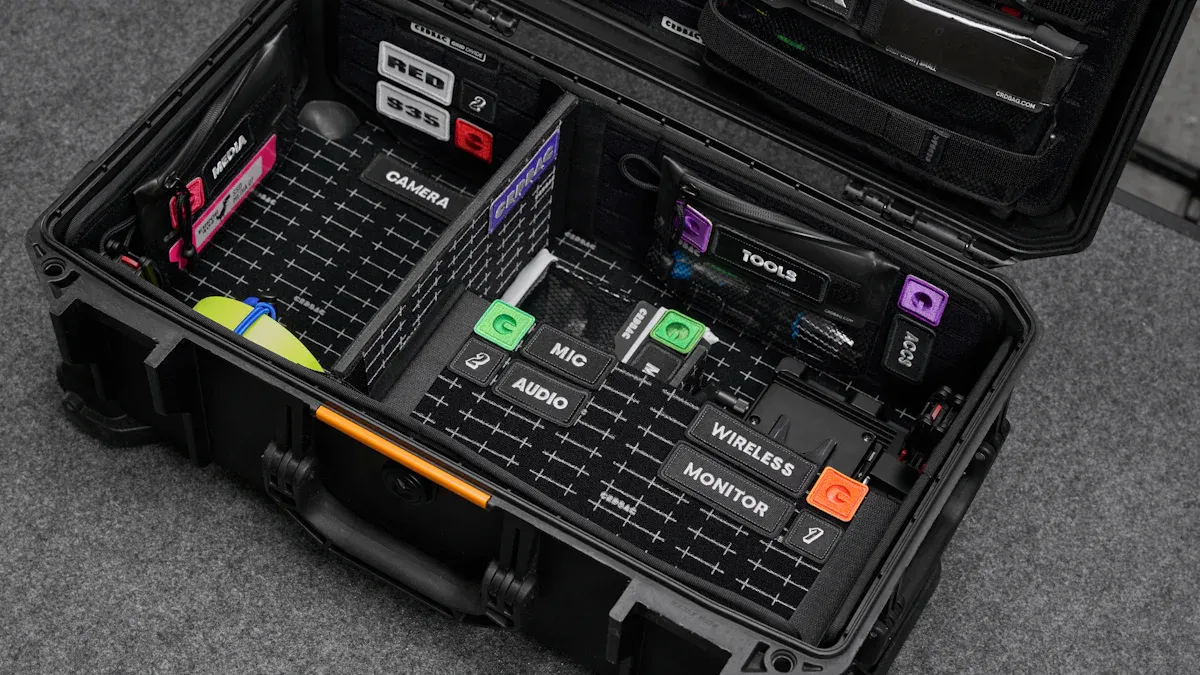
Selecting the right protective box is vital for safeguarding gear from damage. The choice of materials, size, and shape significantly impacts the effectiveness of storage solutions.
Material Matters
When it comes to protective boxes, the material plays a crucial role in ensuring the safety of sensitive equipment. Lightweight yet robust materials like ATA-rated plastic or aluminum provide military-grade protection. High-density polyethylene (HDPE) containers are also recommended for their durability and impact resistance.
Plastic vs. Metal
Both plastic and metal have their advantages and disadvantages:
- Plastic:
- Lightweight and often more affordable.
- Resistant to corrosion and moisture.
- Available in various designs, including those with ESD protection for sensitive electronics.
- Metal:
- Offers superior strength and durability.
- Ideal for heavy-duty applications.
- Often features weather-resistant coatings for added protection.
Choosing between plastic and metal depends on the specific needs of the gear being stored. For instance, electronic components may benefit from ESD-safe plastic containers, while heavy machinery might require the sturdiness of metal boxes.
Waterproof Options
Waterproof protective boxes are essential for preventing moisture-related damage. Look for boxes that meet industry standards, such as IP67 for water resistance. These boxes ensure that gear remains dry even in wet conditions. Additionally, consider options with sealed packaging to protect against dust and moisture.
Size and Shape Considerations
Selecting the appropriate size and shape for a protective box is equally important. A well-fitted box minimizes movement during transport, reducing the risk of damage. Here are some key factors to consider:
- Industry Standards: Adhering to recognized certifications ensures quality and durability. Look for hard cases that meet standards like MIL-STD-810 for impact resistance.
- Custom Fit: Opt for boxes that can accommodate the specific dimensions of the gear. Custom-fit boxes provide better protection and prevent unnecessary shifting.
- Stackability: If storage space is limited, consider stackable boxes. These designs maximize vertical space while maintaining accessibility.
By carefully considering the materials, waterproof features, and size of the protective box, individuals can significantly enhance the safety of their gear. This proactive approach minimizes risks and extends the lifespan of valuable equipment.
Organize Your Gear
Organizing gear effectively is essential for maximizing protection and ensuring easy access. By categorizing items based on their use and implementing a robust labeling system, individuals can significantly reduce the risk of loss or damage.
Categorize by Use
Categorizing gear by its intended use streamlines storage and enhances protection. This method allows for efficient organization, making it easier to locate specific items when needed. The benefits of this approach include:
| Benefit | Explanation |
|---|---|
| Easy Access | Compartmentalization allows personnel to quickly locate gear without searching through disorganized items. |
| Minimized Risk of Damage | Prevents items from contacting each other, reducing wear and potential damage to delicate equipment. |
| Enhanced Organization | Proper labeling and categorization create a cohesive system for efficient item retrieval. |
For example, sports equipment can be grouped by type, such as balls, protective gear, and training aids. This organization minimizes the time spent searching for items and reduces the likelihood of misplacing gear. Additionally, technological advancements, such as GPS tracking systems, enable real-time location tracking of gear, facilitating the recovery of lost equipment.
Labeling for Easy Access
An effective labeling system is crucial for quick and accurate gear retrieval. Automated labeling systems enhance operational efficiency by ensuring accurate labeling, which is vital for various automated processes like storage and retrieval. Implementing a clear labeling strategy can include:
- RFID Tags: These tags utilize radio waves for identification, making them highly effective in large warehouses. They allow for scanning without a direct line of sight, enabling quick inventory checks and improving accuracy in high-turnover environments.
- Traditional Barcode Labels: These labels encode essential product information, allowing employees to quickly access details about storage locations and quantities. This method facilitates efficient gear retrieval and minimizes the risk of errors.
By adopting a systematic approach to labeling, individuals can streamline their inventory management processes. This organization not only saves time but also enhances the overall safety of gear storage.
Use Protective Liners
Protective liners play a crucial role in safeguarding gear from damage during storage and transport. They provide an additional layer of protection, absorbing shocks and preventing movement that could lead to wear and tear. Two popular options for protective liners are foam inserts and custom fit liners.
Foam Inserts
Foam inserts offer versatile protection for various types of gear. They come in different materials and densities, allowing users to choose the best option for their specific needs. Here are some common types of foam used for inserts:
- Polyurethane Foam: Excellent cushioning for lightweight, delicate equipment.
- Polyethylene Foam: Durable and non-abrasive, ideal for larger equipment with great shock absorption.
- Cross-Linked Polyethylene Foam: High-quality foam that protects class-A surfaces, making it suitable for medical devices.
Foam inserts can be particularly effective for fragile items. The following table outlines the types of foam and their ideal applications:
| Foam Type | Ideal For |
|---|---|
| Custom Case Foam Inserts | Fragile products, precision tools, medical instruments, photographic equipment, high-value items |
| Foam Wrap Rolls and Sheets | Wrapping products, protecting electronics, cushioning fragile items, moisture resistance |
| Foam Blocks | Insulation for perishables, filling spaces in packages, protecting corners, cushioning heavy items |
| Foam Liners | High cushioning, delicate items, precision instruments, products sensitive to shock and shifting |
Custom Fit Liners
Custom fit liners provide a tailored solution for gear protection. These liners are designed to fit specific items precisely, minimizing movement and enhancing safety during transport. Compared to foam inserts, custom fit liners offer several advantages:
- Precise Fit: They hold items securely, reducing the chances of damage during transport.
- Higher Durability: Custom liners often feature materials engineered for optimal shock absorption.
- Lower Risk of Damage: Items remain securely in place, minimizing the risk of shifting that can lead to wear.
The following table compares foam inserts and custom fit liners in terms of their protective features:
| Feature | Foam Inserts | Custom Fit Liners |
|---|---|---|
| Fit | Less precise, may allow movement | Precise fit, minimizes movement |
| Durability | Generally lower durability | Higher durability |
| Protection Level | May not absorb shock effectively | Engineered for optimal shock absorption |
| Risk of Damage | Higher risk due to shifting items | Lower risk, items held securely |
Climate Control
Climate control is essential for protecting gear from environmental damage. Both temperature and humidity significantly impact the longevity and functionality of stored equipment. Implementing effective climate control measures can prevent deterioration and ensure that gear remains in optimal condition.
Temperature Considerations
Temperature fluctuations can lead to various issues, including material degradation and mechanical failures. Maintaining a stable temperature is crucial for preserving sensitive equipment. Here are some key points to consider:
- Ideal Temperature Range: Most gear performs best in a temperature range of 60°F to 75°F (15°C to 24°C). Storing items outside this range can lead to warping, cracking, or other forms of damage.
- Heat Sources: Avoid placing gear near heat sources such as radiators, heaters, or direct sunlight. These can cause rapid temperature increases, leading to potential harm.
- Cooling Solutions: For areas prone to high temperatures, consider using air conditioning or fans to maintain a stable environment. This approach helps protect sensitive electronics and other temperature-sensitive items.
By monitoring and controlling temperature, individuals can significantly reduce the risk of damage to their gear.
Humidity Control
Humidity plays a critical role in the preservation of stored gear. Excess moisture can lead to corrosion, mold growth, and other detrimental effects. Maintaining optimal humidity levels is essential for various types of equipment. The following table outlines the recommended humidity levels for different item types:
| Item Type | Optimal Humidity Level (RH) |
|---|---|
| General belongings | 45-55% |
| Electronics | 40-50% |
| Leather goods | 45-55% |
| Musical instruments | 40-50% |
To effectively control humidity, consider the following strategies:
- Dehumidifiers: Using a dehumidifier can help maintain appropriate humidity levels, especially in damp environments. This device removes excess moisture from the air, protecting gear from corrosion and mold.
- Silica Gel Packs: Placing silica gel packs in storage containers can absorb moisture and keep humidity levels in check. These packs are particularly useful for electronics and delicate items.
- Regular Monitoring: Invest in a hygrometer to monitor humidity levels regularly. This tool provides real-time data, allowing for timely adjustments to maintain optimal conditions.
By implementing these humidity control measures, individuals can safeguard their gear against moisture-related damage. Proper climate control is a vital aspect of effective gear protection, ensuring that equipment remains functional and in excellent condition for years to come.
Secure Your Storage
Securing storage is vital for protecting gear from theft and unauthorized access. Implementing effective locking mechanisms and ensuring location safety can significantly enhance the security of stored equipment.
Locking Mechanisms
Choosing the right locking mechanism is essential for safeguarding gear. A robust locking system deters theft and provides peace of mind. Here are two recommended locking mechanisms:
| Feature | Description |
|---|---|
| Material | 16-gauge steel with tab-loc welded construction |
| Lock Type | Pick-resistant 10-tumbler double-bitted lock with Pry-Guard II locking system |
| Additional Security Features | ¼” thick steel latch components, integral hinge tab blocks, and patented push button latching mechanism |
Another effective option is the Pro Vault Locking System, which offers enhanced security features:
| Feature | Description |
|---|---|
| Locking System | Pro Vault Locking System with four exterior locking bars and two solid interior locking bars |
| Security Plates | Five steel plates shield vulnerable connection points |
| Tamper Resistance | Tamper-resistant puck lock slot with recessed design to protect against cutting tools |
These locking mechanisms provide a strong defense against unauthorized access, ensuring that valuable gear remains secure.
Location Safety
Location safety measures are equally important in preventing theft or unauthorized access to stored gear. Implementing the following strategies can enhance security:
- Park equipment close together in a ‘pinwheel’ formation to deter theft.
- Block smaller equipment with larger machines or physical barriers.
- Secure construction sites with perimeter fencing and lockable gates.
- Store high-value equipment in locked containers or secure areas within the site.
- Ensure that equipment storage areas are well-lit, fenced, and equipped with security cameras.
- Implement access control measures such as key cards or biometric systems to limit entry to authorized personnel only.
- Install motion sensors and alarms to detect any unauthorized access or movement of equipment.
- Utilize security guards or surveillance systems to monitor the site during non-working hours.
Additionally, installing tall, lockable perimeter fencing around storage areas and using bright, motion-activated floodlights can further enhance security. Reinforced locks on all entry points and maintaining access logs will help track entries and exits, ensuring that only authorized individuals access the gear.
By combining effective locking mechanisms with strategic location safety measures, individuals can significantly reduce the risk of theft and ensure the longevity of their valuable equipment.
Regular Maintenance
Regular maintenance is essential for ensuring the longevity and functionality of gear. By implementing a consistent inspection and cleaning routine, individuals can prevent damage and extend the life of their equipment.
Inspecting Gear Periodically
Periodic inspections play a crucial role in identifying potential issues before they escalate. Establishing a regular inspection schedule helps maintain gear in optimal condition. The following table outlines recommended inspection frequencies based on the potential for damage:
| Inspection Type | Frequency |
|---|---|
| Annual Inspection | Minimum recommended frequency |
| Monthly Inspection | For high potential damage areas |
| Quarterly Inspection | For medium potential damage areas |
| Biannual Inspection | For low potential damage areas |
In addition to these scheduled inspections, individuals should also consider specific types of inspections based on usage:
- Initial Inspection: Conduct upon receiving new gear to ensure it meets safety standards.
- Daily Inspection: Perform for frequently used equipment to catch any immediate issues.
- Periodic Inspection: Schedule every twelve months, or more often in harsh conditions.
- Visual Inspection: Carry out before each use to identify any visible damage.
- Competent Person Inspection: Frequency varies with usage and should be conducted by trained personnel.
By adhering to these inspection guidelines, individuals can proactively address potential problems, ensuring that gear remains safe and functional.
Cleaning and Upkeep
Proper cleaning and upkeep are vital for maintaining gear in storage. Regular cleaning prevents the buildup of dirt and grime, which can lead to deterioration over time. Here are some best practices for cleaning and maintaining gear:
- Stack Materials Properly: Place heavier items on the bottom and avoid overstacking to prevent collapses and injuries.
- Secure Sharp Tools: Store sharp tools in designated holders and keep heavy tools in low, stable areas to prevent falls.
- Organize Storage Areas: Designate specific places for tools and label everything to reduce confusion.
- Inspect and Clean Regularly: Regularly check storage areas to identify potential hazards and clean them to maintain a safe environment.
For specific gear types, follow these tailored cleaning practices:
- Tents: Ensure they are completely dry before storage, and keep them loose in a breathable bag.
- Sleeping Bags: Store in breathable sacks or hang them to avoid compression.
- Sleeping Mats: Leave them semi-inflated with the valve open for air circulation.
- Boots: Clean and dry thoroughly before storing them in a low-humidity environment.
By implementing these cleaning and upkeep strategies, individuals can significantly enhance the protection and longevity of their gear. Regular maintenance not only preserves functionality but also ensures safety during use.
Invest in Quality Storage Solutions
Investing in quality storage solutions is essential for protecting valuable gear. While budget options may seem appealing, they often lack the durability and longevity required for effective protection. Understanding the cost versus value of storage solutions can guide individuals in making informed decisions.
Cost vs. Value
Quality storage solutions typically offer a significantly longer lifespan compared to budget alternatives. The following table illustrates the average lifespan of different types of cabinets:
| Type of Cabinet | Average Lifespan |
|---|---|
| Quality Cabinets | 30-50+ years |
| Budget Cabinets | 10-15 years |
Investing in premium storage solutions correlates with better long-term protection for valuable gear. For instance, climate-controlled units may have a higher upfront cost, but they provide enhanced protection against temperature and humidity. This investment pays off by preventing damage to sensitive items over time.
- Premium storage solutions, like climate-controlled units, are more expensive than standard options.
- These units provide enhanced protection for sensitive items against temperature and humidity.
- Investing in such premium solutions correlates with better long-term protection for valuable gear.
Choosing quality storage solutions not only safeguards gear but also reduces the need for frequent replacements. This approach ultimately saves money in the long run.
Brand Recommendations
Selecting reputable brands can further enhance the effectiveness of storage solutions. The following table lists some of the most highly rated brands known for their durable and reliable gear storage options:
| Brand | Description |
|---|---|
| Decked | Offers durable storage solutions for popular vehicle makes and models. |
| ARB | Known for reliable gear storage options in overlanding. |
| Goose Gear | Provides high-quality storage solutions tailored for overlanding vehicles. |
| Truck Vault | Specializes in secure and durable storage systems for tools and gear. |
| Front Runner Outfitters | Offers a variety of gear storage solutions for overlanding enthusiasts. |
| Pelican | Renowned for rugged and reliable storage options. |
| Roam | Provides versatile storage solutions for outdoor gear. |
| Yeti | Known for high-quality, durable storage products. |
| Alubox | Offers strong and reliable storage solutions for various applications. |
| GOAT Box Co. | A newer brand providing innovative storage solutions. |
| Bosch L-Boxxes | Highly rated tool storage system known for durability and longevity. |
| Thule Force XT | A versatile roof-mounted cargo box suitable for various needs. |
By investing in quality storage solutions from reputable brands, individuals can ensure that their gear remains protected and functional for years to come. This proactive approach not only enhances safety but also contributes to the overall efficiency of operations.
Utilize Multi-Functional Storage
Multi-functional storage solutions offer significant advantages for organizing and protecting gear. By combining storage and display features, individuals can enhance accessibility and streamline their packing processes.
Combining Storage and Display
Integrating storage and display capabilities simplifies gear organization. This approach allows for quick access to necessary items, reducing the time spent searching through clutter. For example, using a bin system that categorizes gear by activity—such as an ‘A-team and B-team’ bin approach—enables users to grab what they need without hassle. This method enhances accessibility, allowing for swift preparation for activities like a ski trip or a weekend hike.
The benefits of combining storage and display include:
- Improved Visibility: Open shelving allows users to see all available gear at a glance.
- Efficient Packing: Quick access to items streamlines the packing process.
- Task-Oriented Organization: Users can preload necessary tools for specific jobs, promoting better tool management.
- Enhanced Mobility: Multi-functional tool carts can be easily moved, increasing efficiency in the workspace.
Space-Saving Solutions
In small living or working environments, space-saving storage solutions become essential. These strategies maximize available space while keeping gear organized and accessible. Here are some effective space-saving ideas:
- Tiered Hangers: Maximize closet space by using tiered hangers for clothing.
- Over-the-Door Organizers: Utilize these for shoes and accessories, freeing up floor space.
- Shelf Dividers: Maintain organization and prevent clutter on shelves.
- Hanging Fabric Shelves: Add extra storage for sweaters or linens without taking up valuable floor space.
- Wall-Mounted Shelving Units: Use vertical space effectively to store and display items attractively.
Additionally, consider transforming underutilized areas into storage solutions. For instance, the space beneath staircases can serve as a hidden storage area. Hooks in entryways can organize coats and bags, while narrow shelving along hallways can provide additional storage without consuming much space.
By implementing these multi-functional storage solutions, individuals can protect their gear while maximizing their available space. This approach not only enhances organization but also contributes to a more efficient and functional environment.
Educate Yourself
Research Best Practices
To effectively protect gear, individuals must stay informed about best practices in gear storage. Industry experts recommend several key strategies to enhance the longevity and functionality of equipment. Here are the most important practices to consider:
- Prepare the storage area in a clean, dry, and pest-free environment.
- Clean and grease equipment before storage to prevent rust.
- Top off fuel and oil tanks to avoid condensation.
- Check tire pressure and slightly over-inflate to prevent flat spots.
- Perform maintenance and repairs to avoid worsening issues.
- Implement strong security measures to protect against theft.
- Organize inventory and documentation for tracking and maintenance.
- Regularly evaluate and optimize storage practices.
By following these guidelines, individuals can create a safe and effective storage environment for their gear. Regularly reviewing these practices ensures that equipment remains in optimal condition and ready for use when needed.
Join Community Discussions
Engaging with community discussions can significantly enhance knowledge about gear protection and storage solutions. Online forums, social media groups, and local clubs provide platforms for individuals to share experiences, ask questions, and learn from one another. Participating in these discussions offers several benefits:
- Access to Diverse Perspectives: Community members often share unique insights and solutions based on their experiences. This diversity can lead to innovative ideas for gear storage and protection.
- Networking Opportunities: Connecting with others who share similar interests can lead to valuable relationships. These connections may provide access to resources, tools, or advice that can enhance gear management.
- Staying Updated on Trends: Communities often discuss the latest trends and technologies in gear storage. Staying informed about these developments can help individuals make better decisions regarding their equipment.
To get started, individuals can search for relevant groups on platforms like Facebook, Reddit, or specialized forums related to their interests. Engaging in discussions, asking questions, and sharing personal experiences can foster a sense of community and support.
By educating themselves through research and community engagement, individuals can significantly improve their gear protection strategies. This proactive approach not only enhances the safety of equipment but also contributes to a more informed and prepared user base.
Protecting gear is essential for maintaining its functionality and longevity. Implementing effective storage solutions can significantly reduce damage and enhance safety. Here are the top 10 tips to consider:
- Conduct regular inspections of protective gear to ensure it remains in good condition.
- Clean and disinfect gear properly to maintain effectiveness.
- Store gear in a clean, dry, and designated area to prolong its lifespan.
- Replace worn or damaged gear promptly.
- Train employees on proper use and maintenance of their protective gear.
By following these practices, individuals can enjoy long-term benefits such as improved organization and enhanced usability. Take action today to implement these tips and safeguard your valuable equipment!
FAQ
What types of gear require special storage solutions?
Many types of gear, including electronics, sports equipment, and sensitive tools, require special storage solutions to prevent damage from environmental factors and physical impacts.
How can I determine the right size for my storage box?
Measure the dimensions of your gear and choose a storage box that accommodates these measurements. Ensure the box allows for some extra space to prevent movement during transport.
Are there specific materials recommended for protective boxes?
Yes, high-density polyethylene (HDPE) and aluminum are popular choices. They offer durability and resistance to moisture and corrosion, making them ideal for protecting gear.
How often should I inspect my stored gear?
Inspect gear at least once every six months. More frequent inspections may be necessary for items exposed to harsh conditions or heavy use.
What are the benefits of using climate control for gear storage?
Climate control helps maintain stable temperature and humidity levels, preventing damage from moisture, corrosion, and material degradation. This ensures gear remains functional and safe.
Can I use regular household items for gear organization?
Yes, items like bins, shelves, and labels can effectively organize gear. However, ensure they provide adequate protection and are suitable for the specific type of gear being stored.
How do I clean my gear before storage?
Use appropriate cleaning solutions for each type of gear. Wipe down surfaces, remove dirt, and ensure items are completely dry before placing them in storage to prevent mold and rust.
What should I do if my gear gets damaged during storage?
Assess the damage and determine if repairs are possible. If not, replace the gear promptly to maintain safety and functionality. Regular maintenance can help prevent future issues.
Post time: Feb-11-2026