
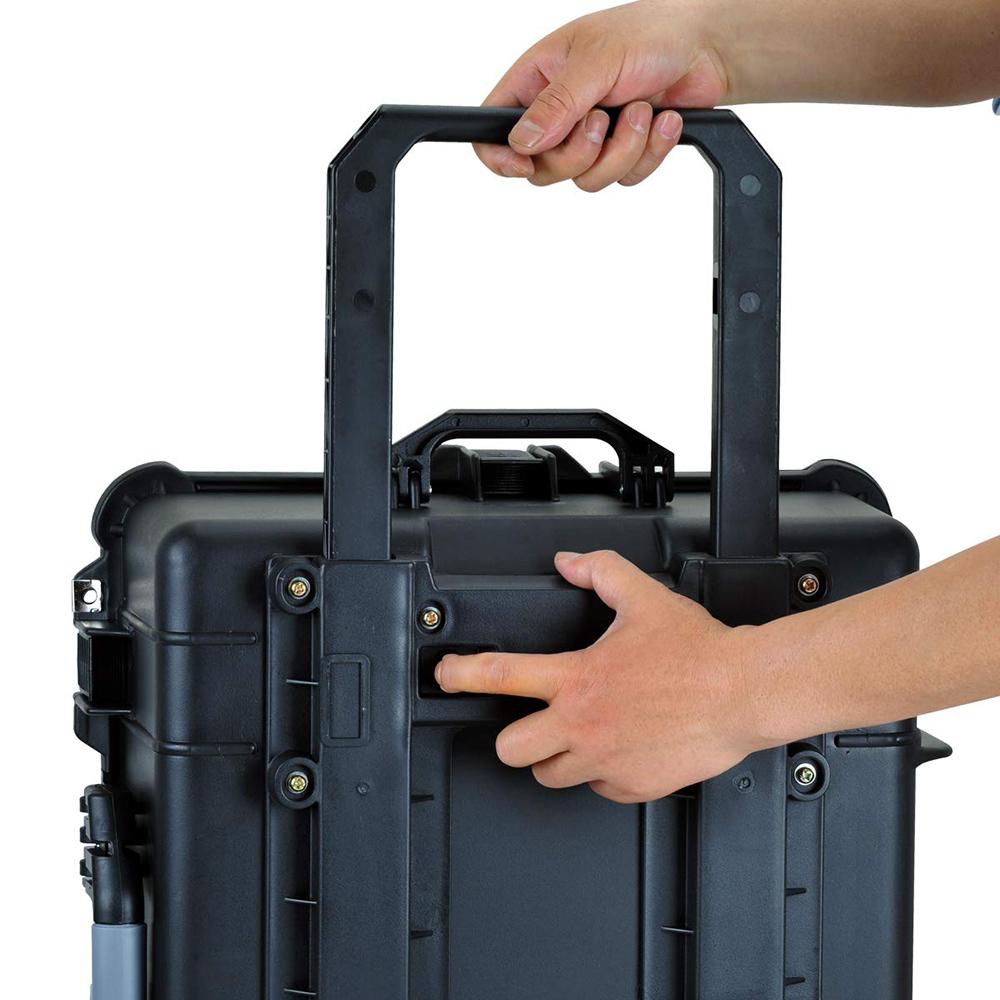
A protective box plays a crucial role in ensuring equipment safety by providing a sturdy barrier against environmental hazards. Selecting the right protective box involves considering several key factors, including size and weight, padding, materials, customization options, additional features, and price. Each of these elements contributes to the box’s ability to safeguard valuable items. Furthermore, a well-chosen protective box enhances equipment longevity, reducing wear and tear during transport and storage.
Key Takeaways
- Choose the right size for your protective box to prevent equipment damage during transport.
- Accurately measure your equipment’s dimensions and weight before selecting a box.
- Consider padding and accessories when choosing a protective box to ensure safe storage.
- Select materials based on durability and protection needs for your specific equipment.
- Look for waterproof and dustproof features to safeguard equipment in harsh environments.
- Invest in reliable locking mechanisms to enhance security and deter theft.
- Research trusted brands known for quality to ensure you get a reliable protective box.
- Balance cost and quality to make a smart investment that protects your equipment long-term.
Importance of Size in a Protective Box
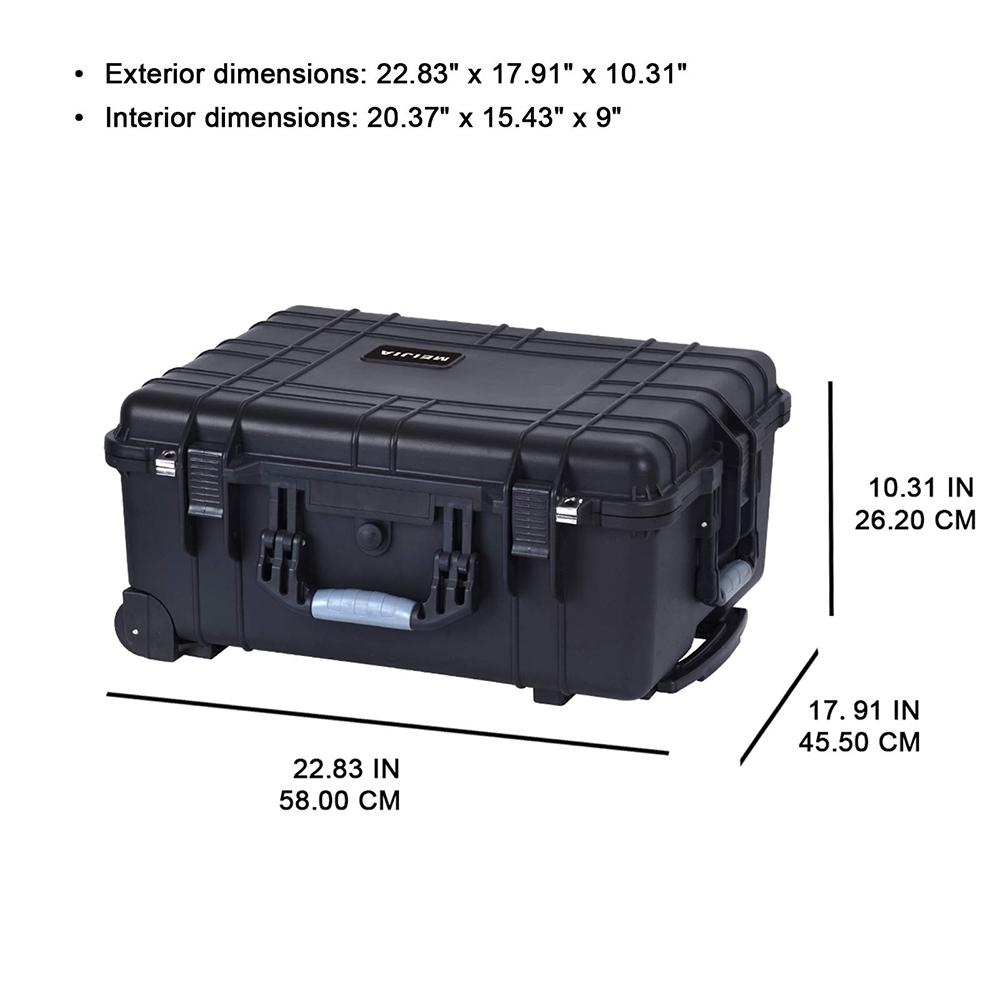
Selecting the right size for a protective box is essential for ensuring the safety of your equipment. An ill-fitting box can lead to damage during transport or storage. Proper sizing not only accommodates the equipment but also allows for necessary padding and accessories.
Measuring Your Equipment
Before purchasing a protective box, accurately measuring your equipment is crucial. Start by taking the following steps:
- Length, Width, and Height: Measure the dimensions of your equipment. Use a tape measure for precision. Record the measurements in inches or centimeters.
- Consider Shape: Note the shape of your equipment. Irregular shapes may require a custom-fit protective box to ensure a snug fit.
- Weight: Weigh your equipment. This information helps in selecting a protective box that can support the weight without compromising safety.
By gathering these measurements, you can confidently choose a protective box that fits your equipment perfectly.
Allowing for Padding and Accessories
When selecting a protective box, it is vital to account for additional padding and accessories. Here are some considerations:
- Padding: Equipment often requires padding to prevent movement during transport. Look for a protective box that allows for extra space to accommodate foam inserts or other cushioning materials.
- Accessories: If your equipment comes with accessories, such as chargers, cables, or tools, ensure the protective box has enough room to store these items securely. A well-organized box prevents damage and makes retrieval easier.
Material Matters for Protective Boxes
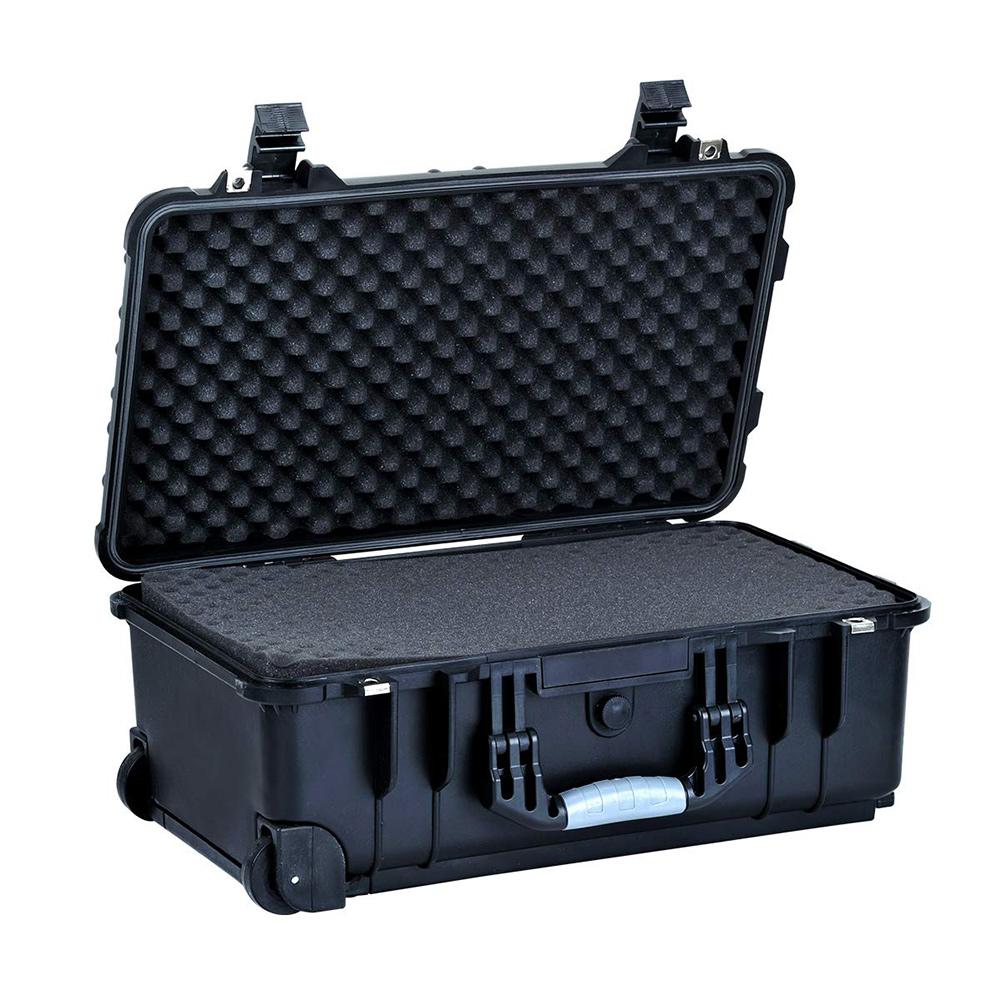
Choosing the right material for a protective box significantly impacts its effectiveness in safeguarding equipment. Various materials offer different levels of durability, weight, and protection. Understanding the common materials used in manufacturing protective boxes helps consumers make informed decisions.
Common Materials Used
Several materials are popular in the production of protective boxes. Here are some of the most commonly used options:
- Foam Sets and Case Inserts
- Corrugated Cardboard Products
- Plastic Cases
- Wood Crates and Pallets
- Shadow Boarding
- Honeycomb Products
- Chipboard Products
- Corrugated Plastic Products
- Hybrid Packaging Solutions
Each material has unique characteristics that cater to specific needs and applications.
Pros and Cons of Each Material
When selecting a protective box, it is essential to weigh the advantages and disadvantages of each material. Below is a comparison of some common materials:
| Material | Advantages | Disadvantages |
|---|---|---|
| Plastic | Lightweight, Cost-effective, Design Flexibility, Electrical Insulation, Chemical Resistance | Lower Strength and Durability, Heat Sensitivity, UV Degradation |
| Metal | Excellent EMI Shielding, Corrosion Resistance | Weight, Cost, Machining Challenges |
| Composite Materials | Superior Impact Resistance, High Durability, Tailored Performance | Higher Cost, Limited Availability |
Plastic cases are lightweight and cost-effective, making them a popular choice for many users. However, they may lack the strength and durability needed for heavy-duty applications. Metal boxes provide excellent protection against electromagnetic interference and corrosion but can be heavier and more expensive.
Composite materials stand out due to their superior impact resistance and tailored performance. They offer an exceptional strength-to-weight ratio, making them ideal for transporting delicate equipment. However, they often come at a higher price point compared to traditional materials.
Additional Features in Protective Boxes
When selecting a protective box, additional features can significantly enhance its functionality and security. Two critical features to consider are waterproof and dustproof options, as well as effective locking mechanisms.
Waterproof and Dustproof Options
Waterproof and dustproof protective boxes provide essential safeguards for equipment, especially in outdoor environments. Approximately 30% of protective boxes on the market offer these features, highlighting their popularity among consumers. These cases are designed to withstand harsh conditions, ensuring that valuable equipment remains safe from moisture and debris.
| Feature | Description |
|---|---|
| Protection Rating | High IP rating (IP65 or above) for dust and water resistance |
| Materials Used | UV-resistant polycarbonate or reinforced thermoplastic |
| Weather Resistance | Withstands heavy rainfall and extreme temperatures |
| Special Features | Cable glands and sealing mechanisms block moisture |
| Monitoring Capabilities | Smart monitoring for real-time performance |
Investing in a waterproof and dustproof protective box can prevent equipment damage during outdoor use. These features ensure that even in challenging weather conditions, your gear remains protected.
Locking Mechanisms for Security
Security is paramount when transporting valuable equipment. A protective box equipped with a reliable locking mechanism can deter theft and unauthorized access. Various locking options are available, each offering different levels of security:
- Key-based Locks: Simple and reliable, these locks do not require batteries and are maintenance-free. They provide security against picking and drilling but depend on key management.
- Digital Locks: These locks offer convenience with programmable keypads, allowing multiple user codes and audit trails. Biometric options provide high security without the need for keys.
- Advanced Locking Systems: These include multi-point locking, time-delay locks, and anti-drill plates, enhancing security against various attack methods.
The choice of locking mechanism can impact the overall security of a protective box. For instance, a safe with complex locking mechanisms typically offers a higher level of security compared to simpler lock boxes.
| Feature | Safes | Lock Boxes |
|---|---|---|
| Construction Material | Stronger materials | Simpler materials |
| Locking Mechanism | Complex mechanisms | Simpler mechanisms |
| Security Level | Higher level of security | Lower level of security |
| Additional Features | Electronic locks, biometric scanners, etc. | Basic locking options |
Types of Protective Boxes
When selecting a protective box, understanding the differences between hard cases and soft cases is essential. Each type offers unique advantages and disadvantages that cater to different needs.
Hard Cases vs. Soft Cases
Hard cases provide superior protection for equipment. They feature rigid exteriors that resist impact, moisture, and dust. This makes them ideal for transporting delicate or valuable items. In contrast, soft cases are lightweight and more portable. However, they offer less security and protection. Below is a comparison of key features:
| Feature | Soft Gun Case | Hard Gun Case |
|---|---|---|
| Security levels | Less secure | More secure |
| Provides protection to the firearm | Less protection | More protection |
| Moisture control | Worse for moisture control | Better for moisture control |
While soft cases may be suitable for casual use, hard cases excel in environments where equipment faces potential hazards. For professionals or outdoor enthusiasts, investing in a hard case often proves worthwhile.
Customizable Options
Customizable protective boxes have gained popularity due to their ability to meet specific user needs. These options allow individuals to tailor the interior and exterior of the box to fit their equipment perfectly. Customization enhances user satisfaction in several ways:
- Customizable designs and colors enhance user satisfaction by allowing personalization.
- Customizable interiors with foam inserts provide precise item fitting, which can improve protection and satisfaction.
- The main drawback of customizable options is their higher cost compared to standard packaging.
For those who prioritize protection and organization, customizable protective boxes represent an excellent investment. They ensure that equipment remains secure and accessible during transport.
Budget Considerations for Protective Boxes
When selecting a protective box, budget considerations play a vital role in the decision-making process. Striking a balance between cost and quality is essential for ensuring that equipment remains safe without overspending.
Balancing Cost and Quality
Investing in a protective box requires careful consideration of both cost and quality. High-quality materials enhance product protection and reduce damage, leading to fewer returns. A strategic balance between cost and quality is essential for optimizing packaging performance over time. Here are some key points to consider:
- Long-term Performance: Quality packaging improves brand reputation, which can result in better long-term financial outcomes.
- Consumer Perception: Prioritizing low-cost options may compromise product safety and negatively impact consumer perception, affecting sales.
- Durability: A well-constructed protective box can withstand various environmental conditions, ensuring that equipment remains secure.
To illustrate the price range for high-quality protective boxes, consider the following table:
| Product Description | Price Range | Minimum Order | Manufacturer |
|---|---|---|---|
| Custom Outdoor Weatherproof Enclosure Box | $2.19 – $2.49 | 5 pieces | Shenzhen Hongfa Shunda Mould Co., Ltd. |
| IP68 FD 1 in 1 Out 2 Way Junction Box | $0.90 – $1.70 | 1 piece | Yueqing Feide Electric Co., Ltd. |
| TZR Custom Sheet Metal Junction Box | $1.85 – $3.45 | 10 pieces | Dongguan Shengen Metal Co., Ltd. |
| High Quality IP66 Waterproof Aluminum Junction Box | $111 – $121 | 5 pieces | Shanghai Gb Machinery & Electric Co., Ltd. |
Long-term Investment vs. Short-term Savings
When considering protective boxes, individuals must weigh the benefits of long-term investments against the allure of short-term savings. While it may be tempting to opt for cheaper options, this choice can lead to higher costs in the future. Here are some factors to consider:
- Initial Cost vs. Longevity: A higher upfront cost for a durable protective box often pays off in the long run. Cheaper boxes may require frequent replacements, increasing overall expenses.
- Protection Level: Investing in quality materials ensures better protection for equipment, reducing the risk of damage during transport.
- Brand Reputation: High-quality packaging can enhance a brand’s reputation, leading to increased customer loyalty and repeat business.
Brand Reputation and Reviews of Protective Boxes
Selecting a protective box involves more than just evaluating features and prices. Brand reputation plays a significant role in ensuring that consumers choose reliable products. Trusted brands often have established themselves through consistent quality and performance. Researching these brands can provide valuable insights into which protective boxes will best meet specific needs.
Researching Trusted Brands
When considering a protective box, consumers should look for brands known for their reliability. Here are some of the most recognized brands in the market:
| Brand | Key Features | Ideal Use Cases |
|---|---|---|
| Nanuk | Rigorous durability tests, IP6X Dustproof Rating, lifetime warranty | Outdoor photographers, drone pilots, scientific researchers |
| SKB | Watertight, dustproof, customizable interiors, automatic pressure equalization | Delicate electronics, military applications, industrial use |
| HPRC | Lightweight, waterproof, unbreakable, lifetime replacement warranty | Equipment protection, transport, and access |
These brands have built their reputations on delivering high-quality protective boxes that cater to various needs. By choosing products from these manufacturers, consumers can feel confident in their investment.
Importance of Customer Feedback
Customer reviews significantly influence purchasing decisions for protective boxes. Many shoppers rely on feedback from previous buyers to gauge product quality and performance. Positive experiences often lead to higher ratings and increased trust among potential customers. Conversely, negative experiences can overshadow the product’s quality and result in unfavorable reviews.
- Customer reviews are heavily influenced by packaging quality.
- Positive packaging experiences lead to higher ratings and increased trust among customers.
- Negative packaging experiences can overshadow product quality and result in unfavorable reviews.
- Many shoppers rely on reviews before making purchasing decisions, indicating that packaging indirectly affects conversion rates.
Choosing the right protective box involves several key factors. First, selecting the appropriate material is crucial, especially for harsh environments. Second, assessing the weight and size of the enclosure ensures it meets portability needs. Additionally, evaluating specific ratings and mounting provisions can enhance safety and usability.
Before making a decision, individuals must assess their equipment’s unique requirements. Conducting a hazard assessment helps identify potential risks and necessary protective measures. This targeted approach leads to more effective equipment protection.
Investing in high-quality protective solutions proves invaluable. Such investments not only comply with safety regulations but also enhance operational efficiency. By prioritizing quality, users safeguard their equipment and ensure long-term reliability.
FAQ
What is a protective box?
A protective box is a storage solution designed to safeguard equipment from environmental hazards. It provides physical barriers against impacts, moisture, dust, and other potential threats during transport or storage.
How do I choose the right size for my protective box?
Measure your equipment’s dimensions and weight. Ensure the box accommodates the equipment while allowing space for padding and accessories. A snug fit prevents movement and potential damage.
Are waterproof and dustproof boxes necessary?
Yes, waterproof and dustproof boxes are essential for protecting equipment in harsh environments. They prevent moisture and debris from damaging valuable items, ensuring reliable performance.
Can I customize my protective box?
Many manufacturers offer customizable options for protective boxes. Customization allows users to tailor the interior and exterior to fit specific equipment needs, enhancing protection and organization.
What materials are best for protective boxes?
Common materials include plastic, metal, and composite materials. Each offers different levels of durability and protection. Choose based on your equipment’s requirements and the environment it will face.
How much should I expect to spend on a protective box?
Prices for protective boxes vary widely based on size, material, and features. Budget for quality options that provide adequate protection, as investing in a durable box can save money in the long run.
How can I ensure the security of my equipment in a protective box?
Select a protective box with reliable locking mechanisms. Options include key-based locks, digital locks, and advanced locking systems. These features deter theft and unauthorized access.
What brands are recommended for protective boxes?
Trusted brands include Nanuk, SKB, and HPRC. These manufacturers are known for their quality and reliability, offering protective boxes suitable for various applications.
Post time: Feb-05-2026