
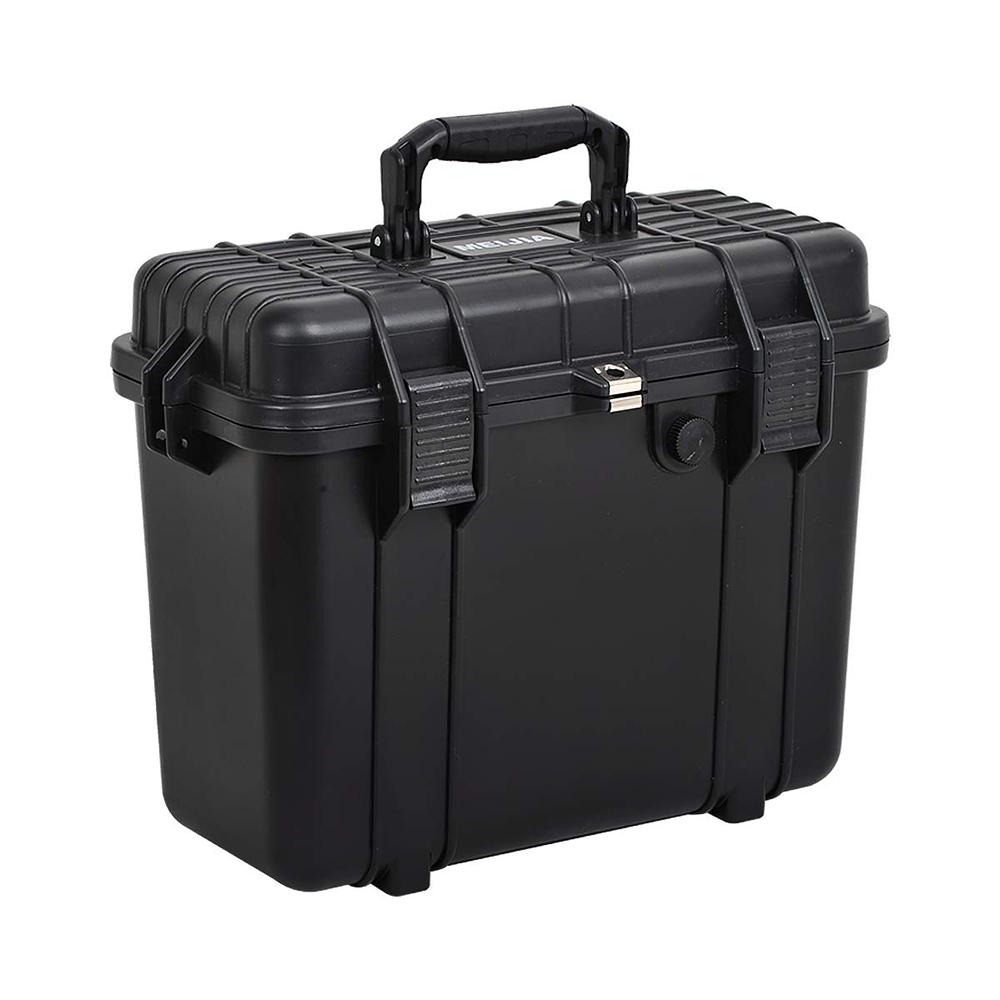
Preventing damage to field equipment is crucial for maintaining operational efficiency and achieving cost savings. Businesses must implement robust protective measures. A specialized protective box is essential for safeguarding valuable assets in challenging environments. The Meijia Field Deployment Protective Equipment Case provides superior protection. It ensures equipment remains secure and functional during demanding operations.
Key Takeaways
- Damaged field equipment costs a lot of money. It causes delays and safety risks.
- Equipment faces threats from water, dust, extreme heat, and cold. It also gets damaged by drops and bumps.
- Protective boxes keep equipment safe. They stop impacts and seal out bad weather.
- Good protective boxes have strong materials. They fit your gear well and have high safety ratings.
- The Meijia case is very strong. It has special seals and custom foam to protect your items.
- Always pack equipment carefully. Check your protective box often. Store and move your gear safely.
The High Cost of Damaged Field Equipment
Damaged field equipment creates significant financial burdens and operational challenges for any organization. Understanding these costs emphasizes the importance of robust protective measures.
Financial Impact
Repair and Replacement Costs
Equipment damage directly impacts a company’s budget through repair and replacement expenses. Repair costs average $1,560 to $3,120 annually just to replace a defective component. Specific repairs, such as tire replacements, can range from $200–$400 for compact tractors to over $2,000 for large field equipment. Heavy equipment repairs often cost thousands for routine fixes and tens of thousands for major failures. These figures highlight the substantial financial drain associated with equipment malfunctions.
Downtime and Lost Productivity
Beyond direct repair costs, equipment breakdowns lead to costly downtime and lost productivity. Organizations face additional expenses including idle labor, transport fees for equipment hauled to repair shops, and missed deadlines. The cost of downtime varies significantly by industry. For instance, a general industrial business can incur $125,000 per hour, while large-scale facilities may lose more than $500,000 hourly. Even small businesses face substantial losses, ranging from $8,220 to $25,620 per hour. These figures underscore the critical need to prevent equipment failures and maintain continuous operations.
Operational Disruptions
Project Delays and Missed Deadlines
Damaged equipment directly causes project delays and missed deadlines. When essential tools or machinery fail, work stops, pushing back project timelines. These delays can create a cascading effect, impacting subsequent project phases and overall operational schedules. Such disruptions not only affect internal efficiency but also strain external commitments.
Impact on Reputation and Client Trust
Consistent equipment failures and resulting project delays severely damage a company’s reputation. Clients expect reliable service and timely project completion. When equipment issues prevent these outcomes, client trust eradicates. A compromised reputation can lead to lost future contracts and a diminished market standing, proving difficult and costly to rebuild.
Safety Risks
Hazards from Equipment Failure
Equipment failure poses significant safety risks to personnel. Machine-related accidents can occur due to absent safety features or malfunctions, leading to injuries. Faulty electrical equipment or wiring often causes fire incidents. While not always explicitly linked to failure, issues with equipment like forklifts can contribute to accidents. These incidents highlight the direct danger defective equipment presents in the field.
Compromised Personnel Safety
Injuries from defective equipment can be severe. Workers may suffer broken bones from falls due to faulty scaffolding, burns and electric shock from electrical accidents, or crushing injuries and head trauma from manufacturing equipment handling heavy loads. Faulty equipment operates incorrectly even when used safely, such as a device with a failed emergency shut-off or a vehicle with brake failure. Protecting equipment directly safeguards the well-being of field personnel.
Understanding Threats to Field Equipment
Field equipment faces constant threats from various sources. These threats compromise functionality and shorten lifespan. Organizations must identify these risks to implement effective protective measures.
Environmental Factors
Environmental conditions significantly contribute to equipment degradation. Unprotected assets quickly succumb to the elements.
Water and Moisture Damage
Water and moisture are primary culprits in equipment failure. Surface degradation, often from corrosion and mechanical wear, commonly occurs when unsealed equipment encounters water or other fluids. High relative humidity, exceeding 60-70%, creates an electrolyte on metallic surfaces, which accelerates corrosion. The dew point indicates when humidity condenses into corrosive droplets. Rapid temperature drops in humid environments cause condensation, restarting corrosive cycles. Exposure to heavy rain and various weather conditions poses a significant challenge for equipment protection. Chemical fluids and oils can also negatively impact the lifespan of spare parts. Oil damages rubber, plastic, or paper-based components, while chemical liquids corrode parts made from rubber, paper, plastic, and iron.
Dust and Particulate Ingress
Dust and particulate matter pose a silent threat. Fine particles can infiltrate unsealed equipment, causing abrasion, clogging moving parts, and interfering with sensitive electronics. This ingress leads to premature wear and operational failures.
Temperature Extremes
Extreme temperatures, both high heat and intense cold, damage equipment. High temperatures can degrade lubricants, warp components, and overheat electronics. Conversely, freezing temperatures can make materials brittle, crack seals, and affect battery performance. Temperature exponentially influences corrosion rates.
Physical Impact
Physical forces directly damage field equipment. These impacts range from minor bumps to severe drops.
Drops and Accidental Mishandling
Accidental drops represent a common cause of damage. Equipment can fall from vehicles, workbenches, or during handling. Such incidents often result in cracked casings, broken screens, or internal component displacement.
Bumps and Collisions
Bumps and collisions occur frequently in dynamic field environments. Equipment can strike obstacles or other machinery. These impacts cause dents, structural damage, and internal component misalignment.
Vibrations During Transport
Vibrations during transport subject equipment to continuous stress. Unpredictable work conditions, such as steep terrain, lead to excessive engine shaking. This shaking damages machine spare parts like shock absorbers and other components due to frequent shocks. Too high intensity of tool use can also cause the engine to overheat and trigger other damage. Equipment needs rest, and exceeding working limits leads to performance degradation.
Human Error
Human error remains a significant factor in equipment damage. Mistakes in handling or operation often lead to preventable failures.
Improper Storage and Packing
Incorrect storage and packing practices expose equipment to unnecessary risks. Leaving equipment uncovered or improperly secured increases vulnerability to environmental factors and physical impacts. Poor packing allows items to shift and collide during transport.
Operational Mistakes
Operational mistakes contribute significantly to equipment failures. Human error causes 80% of plant and equipment failures. This factor is the most significant in improving equipment reliability and operational success if effectively managed. In manufacturing operations, human errors on the shop floor contribute to 23% of unplanned downtime. These errors include incorrect usage, neglecting maintenance, or exceeding operational limits.
Why a Protective Box is Essential for 2025
Organizations must adopt advanced protective solutions as field operations become more complex and environments more challenging. A specialized protective box is no longer a luxury; it is an essential tool for safeguarding valuable equipment. These cases offer superior protection, customizable interiors, and enhanced portability, ensuring operational continuity and asset longevity. By 2025, these solutions will likely feature biometric authentication, mobile app integration, IP68 ratings, solar charging, and AI-driven security.
Superior Protection Features
Modern protective boxes offer advanced features that shield equipment from various threats. These features ensure gear remains functional and secure in demanding conditions.
Impact Absorption and Shock Resistance
Superior impact absorption is a critical feature of high-quality protective boxes. These cases minimize damage during transit, reducing returns, refunds, and replacements. This protection increases customer satisfaction because customers receive undamaged goods, fostering loyalty. Ultimately, it lowers expenses associated with damaged items, returns, and reshipping. This approach contributes to a sustainable future by ensuring products arrive in pristine condition, reducing waste.
EPS foam, with its thousands of small, interconnected air pockets, effectively absorbs shocks and impacts. These air pockets collapse when compressed, absorbing impact energy and cushioning contents. This mechanism protects fragile items like electronics, glassware, and ceramics during transport. Rigid boxes, often incorporating foam or molded inserts, provide excellent shock and compression resistance. These inserts counter shocks and vibrations, keeping even delicate products securely in place during transit. Corrugated boxes also offer superior cushioning and impact absorption due to their multi-layered design, which includes a wavy, fluted middle layer. This structure makes them stronger and more protective than standard cardboard boxes.
Environmental Sealing and IP Ratings
Environmental sealing and IP (Ingress Protection) ratings are crucial for understanding the durability and reliability of electronics. These ratings define protection levels against objects like dust, dirt, and water intrusion into equipment enclosures. Devices lacking adequate IP protection are less reliable and more prone to damage. IP-rated cases offer a cost-effective solution for ensuring equipment suitability in environments with potential intrusions.
Adequate IP protection reduces the likelihood of equipment suffering from corrosion or environmental damage. This protection leads to lower maintenance costs and contributes to a longer lifespan for the equipment. In industrial settings, devices like panel PCs, tablets, and scanners constantly face exposure to dust, oil, moisture, chemicals, and vibrations. Standard consumer-grade devices would quickly fail in such environments. Investing in rugged, high-IP-rated devices is a smart financial decision for businesses. A broken panel PC can halt production and incur significant costs. Similarly, professionals working outdoors in conditions like rain, snow, mud, and dust require a rugged device with a high IP rating. This ensures reliability in uncontrolled environments and prevents lost work, compromised data, or safety risks.
Customizable Interiors
Customizable interiors transform a standard protective box into a tailored solution for specific equipment. These features enhance protection and organization.
Foam Inserts for Secure Fit
Custom foam inserts provide superior shock absorption. High-density, closed-cell foams like XLPE compress in a controlled way to dissipate impact energy, protecting valuable gear. Precision-cut cavities match equipment profiles, eliminating movement, rattling, and damage during transit. This ensures gear arrives as packed. These inserts also offer unbeatable organization and efficiency. They provide dedicated spaces for all components, reducing setup and pack-up times. They also allow for at-a-glance inventory checks, which is critical for safety. A clean, custom foam layout conveys precision, care, and quality, building trust and confidence with clients. High-quality XLPE foam is resilient, waterproof, and resistant to degradation from oils, solvents, and chemicals. This offers long-term protection and prevents issues like mildew or flaking common with cheaper foams.
Customizable foam inserts enhance tool safety. They conform to tool shapes, minimizing movement and cushioning against impacts, which is crucial for precision tools. They also prevent accidental nicks and cuts by securing tools in designated spots. These inserts reduce workplace hazards. Well-organized tool kits reduce time spent searching, minimizing injury risks from cluttered spaces. They also make missing tools immediately apparent, enhancing safety protocols.
Custom Compartments and Dividers
Custom compartments and dividers maximize workspace efficiency and organization. Assigning specific places for tools allows quick retrieval, improving workflow and productivity. A neat arrangement contributes to a cleaner, more professional workspace, boosting morale. Users can personalize tool storage for easy identification. They can color-code, label, or design layouts for quick identification and a personal touch, which can also serve as branding. High-quality foam materials are designed for repeated use and resist degradation, maintaining protective qualities for years. This reduces the need for costly tool repairs or replacements. Foam inserts are custom-cut to fit equipment snugly, cushioning it from impact and preventing damage during handling or transportation. They offer durability, especially when paired with corrugated boxes, which can be reused multiple times. Customization allows for specific cutouts for equipment, with choices in foam types, colors, and densities. Compared to other protective packaging, custom boxes with foam inserts are more affordable and lighter, saving money on shipping and handling.
Enhanced Portability
Enhanced portability significantly contributes to operational efficiency in field environments. Protective boxes designed for easy transport streamline workflows and reduce logistical challenges.
Ease of Transport
Having portable storage units directly at the job site means tools and materials are always within reach. This accessibility eliminates the need for frequent trips back to a central warehouse or office, saving valuable time and keeping the project on track. Portable storage units can be rapidly deployed to various job sites, offering a flexible solution for dynamic project requirements. This adaptability allows project managers to respond quickly to urgent requests or unexpected challenges. Project managers can significantly reduce transportation costs by having portable storage units on-site. Tools and materials can be stored at the job site, eliminating the need for frequent trips to a central warehouse.
Improved Organization
With all necessary tools and equipment readily available on-site, teams can start work immediately. They do not need to wait for deliveries or retrieve items from off-site locations. This minimizes downtime and maximizes productive hours, leading to more efficient project completion. Portable storage units make it easier to manage and track inventory. With organized storage systems, project managers can keep accurate records of tools and materials, reducing the risk of shortages or overstocking. Project managers can allocate resources more effectively with all tools and materials readily available on-site. This ensures each task is equipped with the necessary tools and materials, reducing delays and improving overall project efficiency. Portable storage also optimizes space. Businesses can free up valuable office or warehouse space, allowing for better organization and a more efficient use of available space. This leads to increased productivity and a more comfortable working environment.
Choosing the Right Protective Box for Your Gear
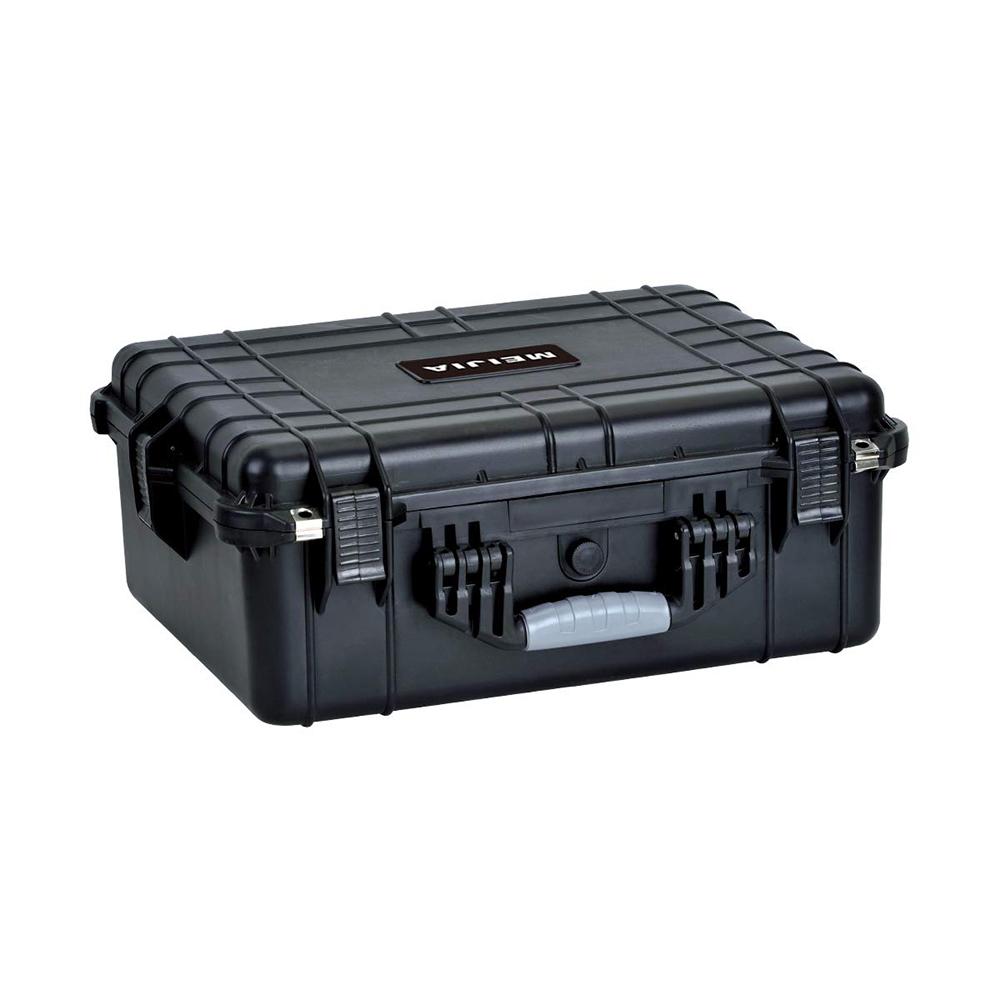
Selecting the correct protective box for equipment requires careful consideration of various factors. Organizations must evaluate material durability, size, weight, and environmental ratings to ensure optimal protection for their valuable assets. A well-chosen case safeguards gear and enhances operational efficiency in the field.
Material Durability
The material composition of a protective case directly influences its ability to withstand harsh conditions. Different materials offer varying levels of protection against impacts, abrasions, and environmental elements.
Hard Cases vs. Soft Cases
The choice between hard and soft cases depends heavily on the level of protection required and the specific use case. Each type offers distinct advantages and disadvantages.
| Feature | Hard Cases | Soft Cases |
|---|---|---|
| Protection | Superior impact, crush, and water resistance; ideal for extreme conditions and air travel. | Good for scratches and minor bumps; less protection against heavy impacts or crushing. |
| Durability | Extremely durable, often made from rugged polymers or aluminum; built to last for many years. | Varies by material (nylon, canvas); generally less durable than hard cases, prone to wear and tear over time. |
| Weight | Heavier and bulkier due to robust construction. | Lighter and more portable. |
| Portability | Less portable, often requiring wheels or two-person carry for larger cases. | Highly portable, easy to carry with shoulder straps or handles. |
| Storage | Rigid shape takes up more space; often stackable. | Flexible, can be folded or collapsed for easier storage when empty. |
| Security | Typically features lockable latches, providing better security against theft and unauthorized access. | Often has zippers that can be locked, but generally less secure than hard cases. |
| Weather Resistance | Excellent, often waterproof and dustproof. | Limited, usually water-resistant but not waterproof. |
| Customization | Foam inserts can be customized to fit specific gear snugly. | Less internal customization, often relying on pockets and dividers. |
| Cost | Generally more expensive due to advanced materials and construction. | More affordable. |
| Ideal Use | Air travel, shipping, harsh environments, long-term storage, valuable firearms. | Vehicle transport, range trips, short-distance carrying, less valuable gear. |
| Maintenance | Easy to clean, resistant to most chemicals. | May require more specific cleaning, can absorb dirt and moisture. |
| Aesthetics | Often utilitarian, but some brands offer stylish designs. | Wide variety of styles, colors, and designs available. |
| Noise | Less prone to rattling of contents due to snug fit. | Contents may shift and rattle more if not properly secured. |
| Temperature Insulation | Some hard cases offer better insulation against temperature extremes. | Little to no temperature insulation. |
| UV Resistance | Many hard cases are UV-resistant, preventing material degradation. | UV resistance varies, some materials may degrade over time with sun exposure. |
| Buoyancy | Some specialized hard cases are designed to float. | Generally not buoyant. |
| Puncture Resistance | High. | Low to moderate. |
| Chemical Resistance | High. | Low to moderate. |
| Impact Absorption | Excellent, designed to absorb and distribute shock. | Moderate, primarily protects against surface damage. |
| Accessibility | Can be slower to open and close due to latches. | Quick and easy access with zippers. |
Plastics and Composite Options
Hard cases often utilize rugged polymers or aluminum, providing exceptional durability. These materials resist impacts, crushing forces, and environmental degradation. Many manufacturers construct cases from copolymer polypropylene using advanced injection molding processes. This method creates a solid structure capable of withstanding demanding conditions. Reinforced stainless steel components further enhance strength and security. These material choices ensure the protective box lasts for many years, even with frequent use in challenging environments.
Size and Weight Considerations
The physical dimensions and mass of a protective case significantly influence its practicality and effectiveness in the field. Balancing protection with portability is crucial for operational success.
Balancing Protection and Portability
A larger, heavier case typically offers superior protection. However, it also reduces portability. Field teams must transport equipment, often over difficult terrain or for extended periods. An overly bulky or heavy case can hinder mobility and increase user fatigue. Conversely, a lightweight case might compromise protection. Organizations must find a balance that meets their specific operational needs. They should consider how personnel will carry or transport the case.
Optimal Dimensions for Equipment
Choosing a case with optimal dimensions ensures a snug fit for the equipment. This prevents internal movement and reduces the risk of damage from impacts and vibrations. A case that is too large allows gear to shift, potentially causing collisions between items. A case that is too small might not accommodate all necessary components or could exert undue pressure on the equipment. Measuring the equipment accurately and considering any accessories or additional components is essential before selecting a case.
Environmental Ratings
Environmental ratings provide standardized metrics for a protective box’s resistance to external elements. These ratings help users select cases appropriate for specific operating conditions.
Understanding IP Ratings
An IP (Ingress Protection) rating is a two-digit code. It quantifies the level of protection an enclosure provides against solid objects and liquids. The European Committee for Electro Technical Standardization (IEC 60529) establishes these ratings. They help manufacturers make accurate claims about product protection. Consumers use them to choose appropriate equipment for specific environmental conditions.
The first digit indicates protection against solids:
| First Digit (Solids) | Protection Against |
|---|---|
| 0 | No protection |
| 1 | Objects greater than 50mm |
| 2 | Objects greater than 12.5 mm |
| 3 | Objects greater than 2.5mm |
| 4 | Objects greater than 1 mm |
| 5 | Dust protected (limited ingress) |
| 6 | Dust tight (no ingress) |
The second digit indicates protection against liquids:
| Second Digit (Moisture) | Protection Against |
|---|---|
| 0 | No protection |
| 1 | Dripping water (vertical) |
| 2 | Dripping water (tilted 15 degrees) |
| 3 | Spraying water (up to 60 degrees from vertical) |
| 4 | Water splash (from any direction) |
| 5 | Water jets (from 6.3mm nozzle) |
| 6 | Powerful water jets (from 12.5mm nozzle) |
| 7 | Submersion up to 1m depth |
| 8 | Submersion for 1m or more (manufacturer specified) |
For dust protection, levels 5 and 6 involve testing in a dust chamber with fine talcum powder. Level 5 allows some dust ingress without affecting operation. Level 6 is fully dust-tight, often requiring a partial vacuum during tests that can last between two and eight hours. For water resistance, levels 3 and 4 involve water sprays from an oscillating tube or handheld showerhead, with exposure times of at least three minutes. Levels 5 and 6 use hose nozzles; Level 5 involves a 6.3 mm nozzle at 12.5 liters/minute, and Level 6 uses a 12.5 mm nozzle at 100 liters/minute, both tested from 2.5 to 3 meters for three minutes. For submersion, Level 7 tests immersion for 30 minutes at a depth where the bottom is 1 meter below the surface. Level 8 is a special test where duration and pressure (depth) are agreed upon by the vendor and user.
IP65 rating indicates protection against total dust ingress and low-pressure water jets from any direction. This makes it suitable for many indoor and outdoor uses where extreme weather or submersion is not expected. IP66 rating offers protection against total dust ingress and high-pressure water jets from any direction. Tests involve 100 liters per minute of water at 100 kPa pressure. This makes IP66 suitable for environments where devices might encounter pressurized water. IP67 rating provides protection against total dust ingress and immersion in water between 15 centimeters and 1 meter for at least 30 minutes. While both IP65 and IP67 offer total protection from solids, IP67 provides superior liquid ingress protection against temporary submersion compared to IP65′s protection against low-pressure water jets.
Here is a summary of various IP ratings for dust and water protection:
| IP Rating | Dust Protection | Water Protection |
|---|---|---|
| IP58 | Protected from limited dust ingress | Protected from long term immersion up to a specified pressure |
| IP60 | Protected from total dust ingress | Not protected |
| IP61 | Protected from total dust ingress | Protected from condensation |
| IP62 | Protected from total dust ingress | Protected from water spray less than 15 degrees from vertical |
| IP63 | Protected from total dust ingress | Protected from water spray less than 60 degrees from vertical |
| IP64 | Protected from total dust ingress | Protected from water spray from any direction |
| IP65 | Protected from total dust ingress | Protected from low-pressure water jets from any direction |
| IP66 | Protected from total dust ingress | Protected from high-pressure water jets from any direction |
| IP67 | Protected from total dust ingress | Protected from immersion between 15 centimetres and 1 metre in depth |
| IP68 | Protected from total dust ingress | Protected from long term immersion up to a specified pressure |
| IP69K | Protected from total dust ingress | Protected from steam-jet cleaning |
MIL-STD Certifications
Military Standard (MIL-STD) certifications indicate a product’s ability to withstand extreme conditions, often exceeding commercial standards. These certifications are crucial for equipment deployed in demanding field environments.
- MIL-STD-810H: This standard focuses on environmental stress. It includes nearly 30 tests such as low pressure, high/low temperature, temperature shock, contamination by fluids, solar radiation, rain, humidity, fungus, salt fog, sand and dust, explosive atmosphere, immersion, acceleration, vibration, acoustic noise, shock, pyroshock, acidic atmosphere, gunfire shock, combined environments, icing/freezing rain, and ballistic shock.
- MIL-STD-461G: This certification evaluates electromagnetic (EM) emissions and susceptibility through 20 tests. It focuses on conducted emissions (CE), radiated emissions (RE), conducted susceptibility (CS), and radiated susceptibility (RS).
Other relevant MIL-STD certifications include:
- MIL-STD 810: Environmental testing.
- MIL STD 461: Electromagnetic compatibility.
- MIL-DTL 901E: Shock testing.
- MIL-STD 167 1A: Vibration testing.
- MIL-STD 3009: Night vision lighting.
Customization Options
Customization options transform a standard case into a highly efficient and secure storage solution. These features ensure equipment fits perfectly and remains organized.
Tailored Foam and Dividers
Custom foam packaging conforms precisely to an item’s shape. This minimizes movement and reduces the risk of damage. Precise cutting techniques create cavities that snugly hold items. This design ensures the product does not shift. It prevents unnecessary pressure points and optimizes foam thickness for weight distribution. Custom foam packaging uses layered densities. This offers a strategic approach to impact resistance. It is crucial for protecting products from constant vibrations, impacts, and temperature changes during shipping. For example, delicate electronics might use soft, low-density foam for interior protection. High-density foam provides external shock absorption.
Custom foam packaging also allows for faster packing and unpacking. This reduces labor costs and increases productivity. This is especially true for high-volume shipments or repeated use. It makes processes more organized with labels or compartments for different components. Well-designed packaging allows quick removal and repacking. Each tool has its designated spot. This eliminates cluttered drawers and misplaced items. Built-in foam protection absorbs shock, reduces movement, and prevents metal-on-metal contact. Professionals quickly locate each tool, saving time. Custom foam inserts shield electronics from shock, vibration, and moisture. They act as a reliable barrier against impacts, sudden movements, and environmental factors. Component Storage Foam Trays and Foam Shadow Boards offer organized storage solutions. They customize to fit various shapes and sizes of electronic components and tools. This provides secure storage and minimizes loss or damage. Custom foam solutions safeguard delicate electronic components from damage. They optimize storage and organizational systems for electronic components. This streamlines workflows and reduces the risk of loss or damage.
Accessory Integration
Effective accessory integration is vital for field operations. Custom compartments keep all components in place. This reduces clutter and prevents items from shifting or getting lost. Custom foam inserts organize accessories like cables, batteries, and chargers alongside the main device. This ensures all necessary items are readily available and protected.
Security Features
Security features are paramount for protecting valuable equipment from theft and unauthorized access. A robust Protective Box incorporates multiple layers of security.
Latches and Locking Mechanisms
Latches are the first line of defense for a protective case. High-quality latches provide a secure closure. They prevent accidental opening during transport or impact. Many cases feature innovative latch designs. These designs offer plenty of leverage for easy operation while maintaining a tight seal. Beyond basic latches, advanced locking mechanisms significantly enhance security. Password protection adds an extra layer of security. It requires a unique password, creating another barrier against unauthorized entry. Fingerprint recognition utilizes biometric technology. It grants access only to authorized individuals with registered fingerprints. This enhances both security and convenience. Key override offers traditional key access for emergency situations. It serves as a backup if biometric or password systems encounter issues.
Tamper-Proofing
Tamper-proofing measures deter unauthorized access and provide evidence of attempted breaches. Robust latches and advanced locking mechanisms contribute significantly to tamper resistance. Some cases include features like padlock eyelets. These allow users to add external locks for increased security. Fireproof protection is crucial for protecting valuables from fire damage. It typically provides resistance for a specific duration. This ensures the contents remain safe even in extreme conditions.
Meijia Field Deployment Protective Equipment Case: A Closer Look
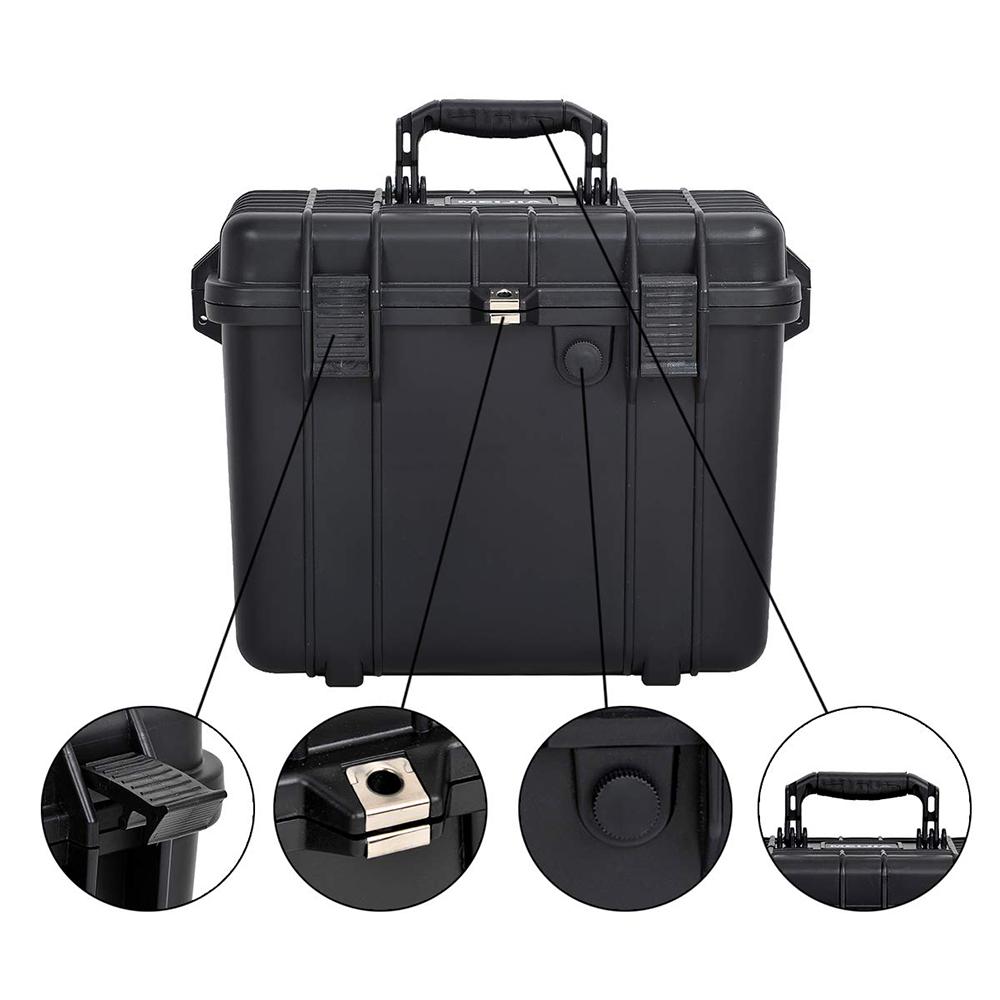
The Meijia Field Deployment Protective Equipment Case offers a robust solution for safeguarding valuable gear. It combines advanced materials, superior sealing, and a customizable interior to ensure equipment remains secure and functional in challenging environments.
Robust Construction and Materials
The case’s construction prioritizes durability and resilience. It withstands demanding conditions, protecting contents from external threats.
Copolymer Polypropylene and Injection Molding
The Meijia case features robust construction from copolymer polypropylene. An advanced injection molding process creates its solid structure. Polypropylene (PP) offers exceptional fatigue resistance and remarkable solvent tolerance. Specialized copolymer grades of PP enhance heat resistance. PP’s balanced stiffness and toughness streamline installations. Injection molding provides unparalleled consistency, tight tolerances, and the ability to produce complex geometries. It allows for integrated features like snap-fits and internal ribbing, ensuring parts meet exact specifications. Injection molding enhances durability and corrosion resistance by encapsulating reinforcing fillers and corrosion-inhibiting additives. The process creates unified parts free from seams or weld lines, preventing moisture trapping. Injection molded plastic parts outperform metal alternatives in resisting pitting and galvanic corrosion in demanding environments. These components can weigh up to 70 percent less than metal counterparts, reducing shipping costs and carbon emissions.
Reinforced Stainless Steel Components
Reinforced stainless steel components further enhance the case’s strength and security. These elements provide added structural integrity, ensuring the case withstands significant stress and impact.
Advanced Sealing Technology
The Meijia case incorporates advanced sealing technologies. These features create an impenetrable barrier against environmental elements.
High-Performance Waterproof O-ring Seal
A high-performance waterproof O-ring seal is a standout feature. This meticulously designed seal creates an impenetrable barrier, effectively keeping out dust, dirt, and water. O-rings are critical components ensuring safe, efficient, and reliable system operation by providing a leak-proof barrier. When properly selected and installed, they prevent the unwanted escape of fluids and gases, protecting both equipment and the environment. High-performance waterproof O-rings contribute to equipment longevity. They are manufactured from appropriate materials and installed correctly. This prevents leaks and resists degradation from environmental factors such as temperature, pressure, and chemical exposure. This ensures the long-term reliability and efficiency of the equipment.
Pressure Valve for Air Regulation
A high-quality pressure valve is another critical element. It releases built-up air pressure while simultaneously preventing water molecules from entering the case. This valve regulates internal pressure to match external pressure, which varies with altitude, temperature, and humidity. It equalizes internal and external pressures by allowing air to enter or exit the case. This protects contents from physical damage caused by extreme pressure differences, preventing deformation or rupture of the case. It also safeguards contents from moisture damage due to condensation by maintaining optimal humidity.
Customizable and Secure Interior
The interior of the Meijia case offers both customization and security. This ensures equipment remains protected and organized.
Tailored Foam for Equipment Fit
The case offers a customizable fit foam interior. This innovative feature allows users to tailor the foam to the exact dimensions of their equipment. This provides a snug and secure fit. Tailored foam provides superior shock absorption and dampens harmful vibrations. Custom foam inserts are precision-cut to the exact dimensions of the equipment. This precise fit eliminates all movement and rattling, directly preventing damage to sensitive items.
Shock and Vibration Absorption
This personalized cushioning absorbs shocks and bumps. It prevents damage from impacts and vibrations during transit. Anti-vibration foam, a specialized material, absorbs and dissipates mechanical energy. Its unique cellular structure disperses kinetic energy generated by vibrations. It acts as a buffer to reduce vibration transmission and minimize stress on machine components, thereby preventing long-term damage.
User-Friendly Design
A protective case must offer ease of use alongside robust protection. The Meijia Field Deployment Protective Equipment Case incorporates design elements that prioritize user convenience. These features ensure quick access and versatile storage, enhancing operational efficiency in the field.
Innovative Latches for Easy Access
The Meijia case features an innovative latch design. These latches make accessing equipment effortless. They are smarter and easier to operate than traditional closures. Users find plenty of leverage for a light pull. This allows the case to open in seconds. This quick access is crucial in fast-paced field environments. It minimizes downtime and streamlines operations. The design ensures secure closure while providing rapid deployment of essential gear. This balance of security and accessibility makes the case highly practical for professionals.
Ample Internal and External Dimensions
The Meijia Field Deployment Protective Equipment Case provides generous dimensions. Its external measurements are 16.26 inches in length, 8.66 inches in width, and 13.39 inches in height. The internal space offers 13.56 inches in length, 5.76 inches in width, and 11.7 inches in height. These ample dimensions provide sufficient room for a variety of equipment. Users can store sensitive electronics, cameras, and other essential gear. The spacious interior accommodates custom foam inserts. This allows for tailored protection of diverse items. The case’s size balances portability with capacity. It ensures users can transport necessary tools without excessive bulk. This design supports efficient packing and organization. It makes the case a versatile solution for different field deployment needs. The thoughtful sizing contributes to the overall user-friendly experience. It allows professionals to carry their valuable assets securely and conveniently.
Tip: Always measure your equipment, including any accessories, to ensure it fits comfortably within the internal dimensions of your chosen protective case. This prevents damage from overcrowding or improper fit.
Best Practices for Maximizing Equipment Lifespan with a Protective Box
Organizations must implement best practices to ensure equipment longevity and reliability. Proper packing, regular maintenance, and strategic storage and transport methods significantly extend the lifespan of valuable assets.
Proper Packing Techniques
Effective packing techniques safeguard equipment from damage during transit and handling.
Securing Equipment Inside
Properly securing equipment inside its container is paramount. First, prepare electronics for packing. Back up data, power down devices, remove batteries to prevent leakage, and detach accessories, wrapping them separately. Next, use proper wrapping techniques. Individually wrap items in anti-static bags, add a layer of bubble wrap for impact protection, and secure wrapping with tape to prevent shifting. Choose the right box, selecting one slightly larger than the item for padding. Use double-walled boxes for heavy or expensive items and reinforce the bottom with extra tape. Pack strategically by placing heavier items at the bottom. Fill empty spaces with packing peanuts or foam inserts to prevent movement, ensuring at least two inches of padding on all sides. Finally, seal and label the box. Use high-quality packing tape to seal all seams and add ‘Fragile’ and ‘This Side Up’ labels for careful handling. For temperature-sensitive electronics, consider insulated containers or climate-controlled shipping services. Professional packing services offer expertise and proper handling for valuable or delicate equipment. Incorporate shock-absorbing materials like foam corners or suspension systems to absorb vibrations and impacts.
Utilizing Foam and Dividers
Custom foam inserts and dividers are crucial for optimal protection and organization. These tailored solutions conform precisely to an item’s shape, minimizing movement and reducing damage risk. Precision-cut cavities snugly hold items, preventing shifting and optimizing foam thickness for weight distribution. This design ensures gear arrives as packed. Custom compartments keep all components in place, reducing clutter and preventing items from shifting or getting lost.
Regular Protective Box Maintenance
Consistent maintenance of the protective box itself ensures its continued effectiveness.
Inspecting Seals and Latches
Regularly inspecting seals and latches is vital for maintaining the integrity of a protective box. For high-risk goods like electronics, daily inspections of seals are essential to minimize tampering risks. In busy operational environments, checks at every shift change ensure accountability and continuous security. For lower-risk items, a weekly inspection schedule can suffice. Regardless of risk level, seals must be checked upon arrival and before dispatch to maintain cargo integrity. Annual inspections are a general rule, with more frequent checks necessary in high-traffic areas or environments with increased risk factors.
Cleaning and Replacing Foam
Cleaning and replacing foam inserts are essential for sustained protection. Factors influencing foam replacement include material quality (closed-cell foams are more durable), frequency of use, the nature of stored items, and environmental conditions (extreme temperatures or high humidity). After each use, check equipment fit and adjust foam if items shift. Annually or as needed, deep clean the interior, including foam. Wipe interior surfaces with a damp (not wet) cloth. For foam, gently vacuum or spot-clean with a barely damp cloth, avoiding soaking. Allow everything to dry completely before re-inserting items. Replace foam when it no longer holds equipment snugly or shows visible deterioration. It should rebound quickly when pressed.
Strategic Storage and Transport
Strategic storage and transport practices further enhance equipment lifespan.
Safe Storage Practices
Store protective boxes and their contents in a clean, dry place away from direct sunlight and extreme temperatures. Utilize designated storage areas that shield equipment from physical damage and contamination. Maintain temperature control, ideally between 15 and 20 °C, with humidity levels around 30-50%. Keep equipment in its original packaging whenever possible to prevent contamination.
Secure Transport Methods
Implement secure transport methods to prevent damage during movement. Inspect tie-downs and straps, replacing any faulty equipment before loading. Distribute the weight of the load evenly across the transport area. Use proper tie-down techniques, such as a basket weave pattern for multiple straps. Consider non-skid mats under the load to increase friction and prevent shifting. Use strong, secure boxes, crates, or netting to contain loose items. For fragile items, use additional cushioning materials like bubble wrap or foam peanuts within boxes. Position fragile items in the center of the box, away from the edges, and ensure they are immobile. For extremely delicate items, use a double boxing method. Finally, use clear labeling on packaging to communicate handling instructions, such as “Fragile” or “This Side Up.”
Investing in high-quality protective boxes is a critical strategy for modern field operations. These solutions prevent equipment damage, ensuring operational continuity. They also safeguard valuable investments. Organizations must prioritize robust protection for smooth field operations in 2025 and beyond. The Meijia Field Deployment Protective Equipment Case offers superior defense against environmental threats and physical impacts. It ensures equipment remains functional and secure.
FAQ
What makes preventing field equipment damage so important?
Preventing damage saves significant money on repairs and replacements. It also avoids costly downtime and project delays. Protecting equipment ensures operational efficiency and maintains a company’s reputation.
What are the primary threats to field equipment?
Equipment faces environmental threats like water, dust, and temperature extremes. Physical impacts from drops, bumps, and vibrations also cause damage. Human error, including improper storage and operational mistakes, contributes significantly to failures.
How does a protective box safeguard valuable equipment?
A protective box offers superior impact absorption and environmental sealing. Its customizable interior secures gear with foam inserts. Enhanced portability also improves organization and ease of transport, ensuring equipment safety.
What factors should one consider when choosing a protective box?
Consider material durability, such as hard cases for maximum protection. Evaluate size and weight for portability. Check environmental ratings like IP and MIL-STD. Look for customization options and robust security features.
What do IP ratings signify for protective cases?
IP (Ingress Protection) ratings indicate a case’s resistance to solids and liquids. The first digit shows solid particle protection (e.g., dust). The second digit shows liquid ingress protection (e.g., water jets or submersion).
Tip: An IP67 rating means the case is dust-tight and can withstand temporary submersion in water.
What features make the Meijia Field Deployment Protective Equipment Case effective?
The Meijia case features robust copolymer polypropylene construction and advanced injection molding. It includes a high-performance waterproof O-ring seal and a pressure valve. Its customizable foam interior absorbs shocks, securing equipment.
How can one maximize equipment lifespan using a protective box?
Use proper packing techniques, securing equipment with foam and dividers. Regularly inspect the protective box’s seals and latches. Clean and replace foam as needed. Employ strategic storage and secure transport methods.
Post time: Dec-01-2025